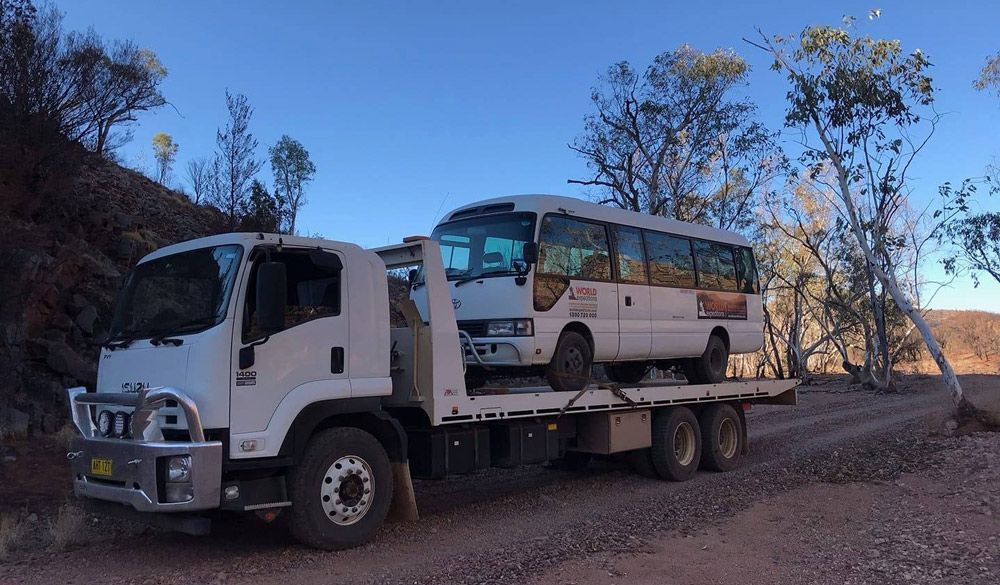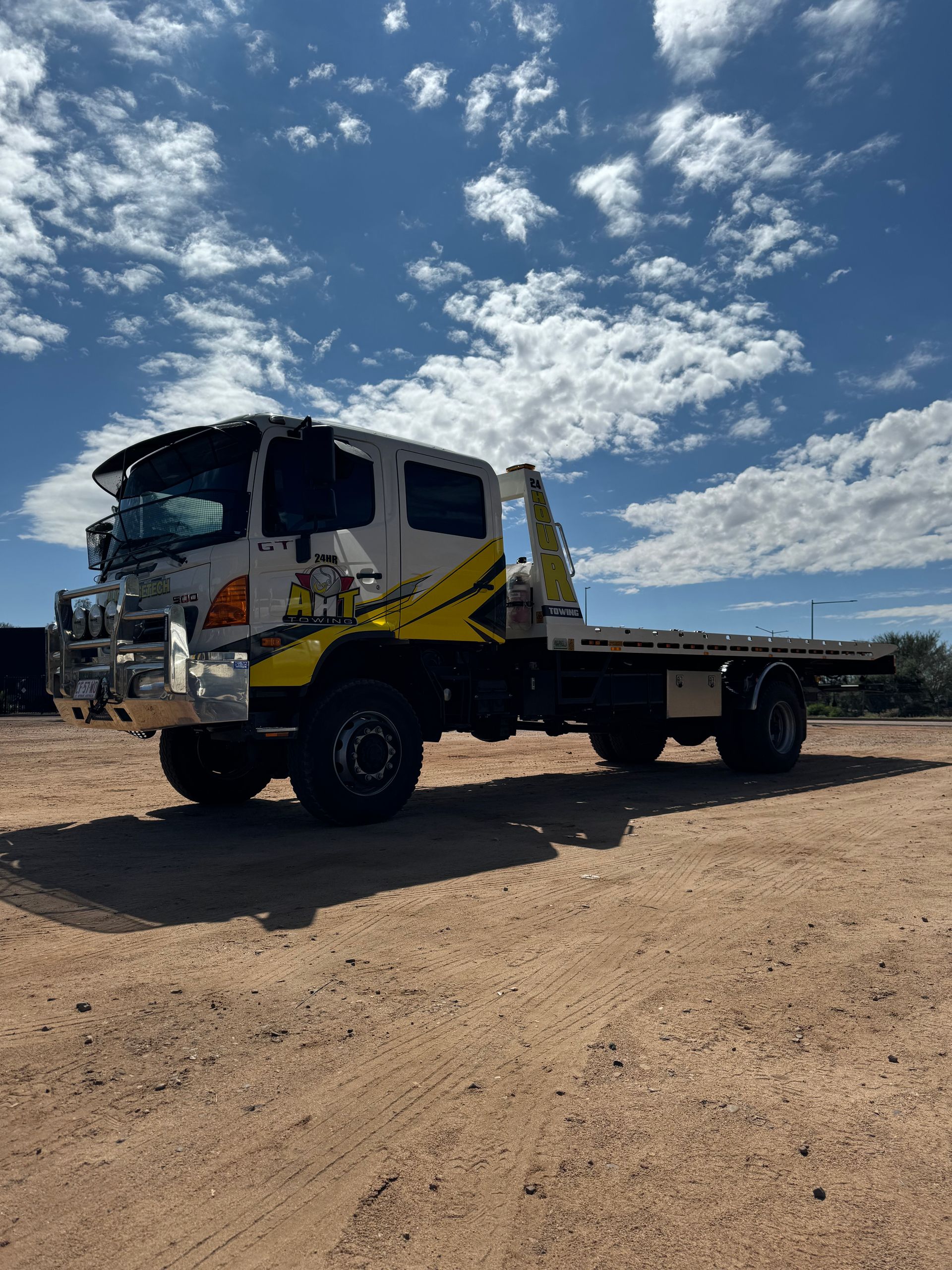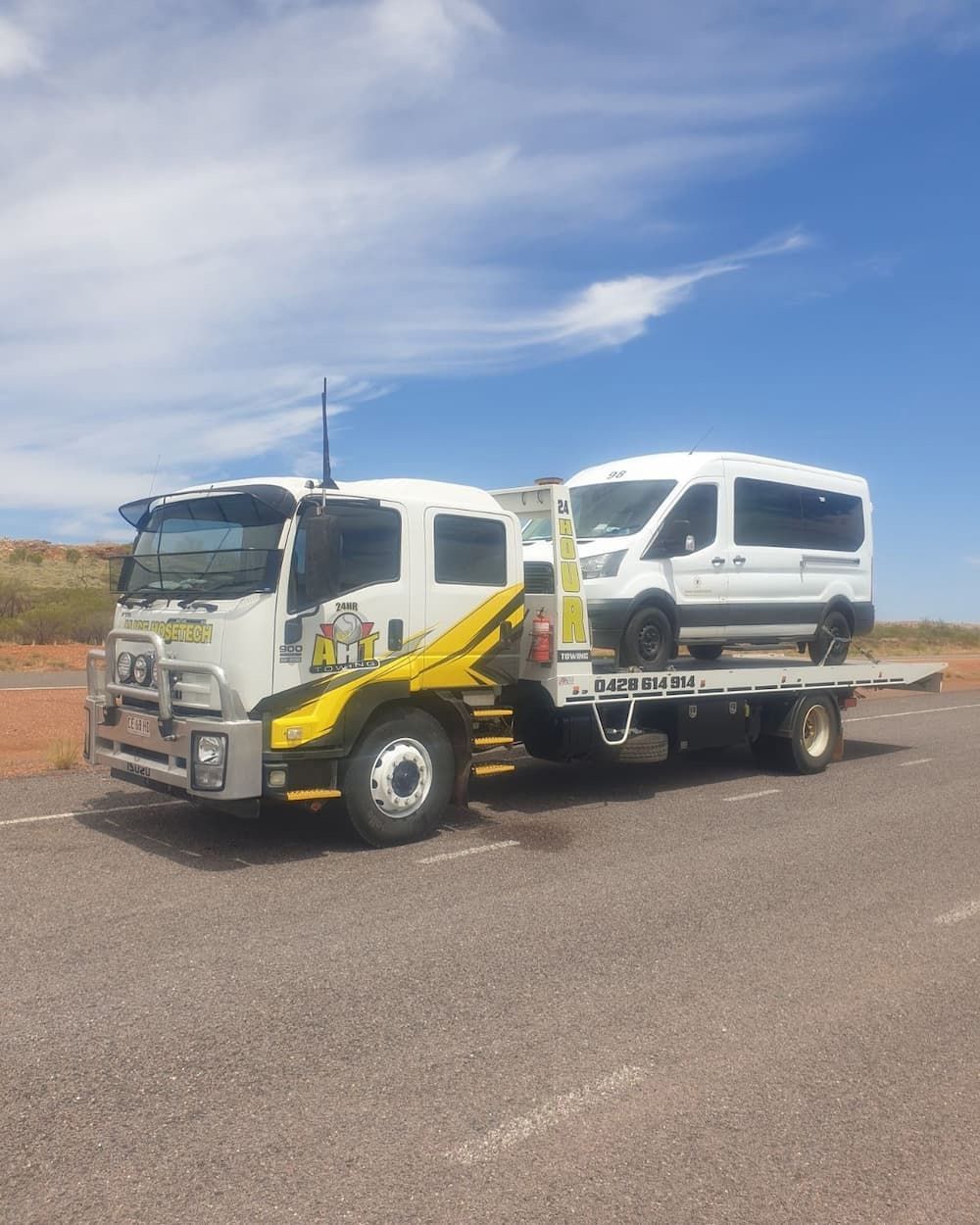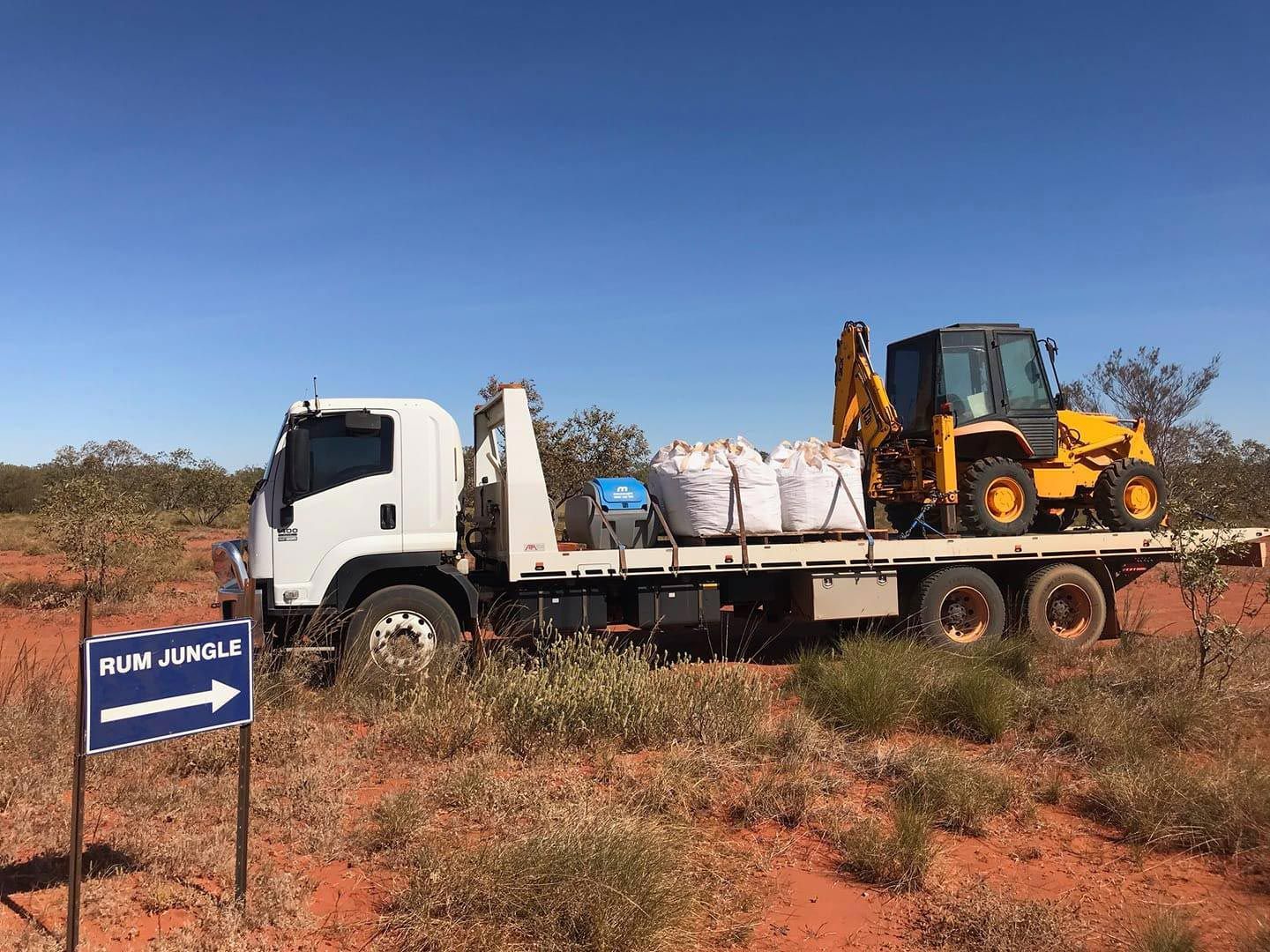
How Tow Trucks Support Roadside Assistance Programs
When a vehicle breaks down unexpectedly, most drivers reach for their roadside assistance provider before anything else. These programs offer support during stressful moments on the road, and more often than not, a tow truck is the service dispatched to help first. Whether it’s a flat battery, a sudden mechanical failure or a vehicle that simply refuses to start, tow truck crews play a crucial role in keeping drivers safe and mobile.
For many people who need towing, that first responder is the difference between being stranded and getting back on track. Roadside assistance may be known for its call centres and membership cards, but tow truck operators are the ones who turn those promises into real help on the roadside. Their work spans breakdown recovery, accident management, vehicle transport and essential on-the-spot support.
When Roadside Assistance Starts with a Tow Truck Arrival
Roadside assistance programs are designed to support motorists when something goes wrong — usually at the least convenient moment. Tow trucks form the backbone of these programs, as many breakdowns require more than advice over the phone. Tow operators are dispatched to assess the scene, provide immediate help and safely relocate vehicles when required. Tow trucks often respond to situations such as:
- Vehicles that won’t start after stopping for fuel or shopping
- Mechanical breakdowns that make it unsafe to continue driving
- Roadside hazards where the vehicle must be moved quickly
- Drivers needing assistance late at night or in remote conditions
This initial response ensures drivers aren’t left in dangerous or unpredictable situations.
Breakdowns, Flat Batteries and Locked Cars: Everyday Jobs Tow Trucks Handle
Most roadside assistance call-outs are for common driving issues rather than major accidents. Tow truck operators deal with these daily challenges efficiently, providing the kind of help that gets people home or to a repairer without unnecessary stress. Typical non-accident call-outs include:
- Flat batteries, especially in older vehicles or after long periods of inactivity
- Drivers who have locked themselves out of their cars
- Running out of fuel far from the nearest service station
- Overheating engines during long drives
These situations require calm decision-making and quick support, which tow truck crews are well accustomed to providing.
Accident Recovery: How Tow Trucks Restore Safety at the Scene
When an accident happens, tow trucks become part of the emergency response team. Their role extends far beyond simply loading a damaged car — they help secure the scene and make the road safe for other drivers. By responding swiftly, tow operators assist police, emergency services and insurance companies in clearing hazards. Their responsibilities may include:
- Removing damaged vehicles from the roadway
- Preventing further collisions by safely managing the area
- Transporting cars to holding yards or repair centres
- Liaising with drivers and authorities for smooth coordination
Accident recovery requires patience, awareness and a focus on safety, ensuring the road can return to normal as soon as possible.
Emergency Towing When a Vehicle Can’t Move at All
Some breakdowns leave a vehicle unable to move under any circumstances. Mechanical failures, critical component damage or electrical faults can immobilise a car instantly. In these cases, emergency towing is the fastest and safest solution. Emergency towing may be needed for:
- Vehicles that stall suddenly and cannot be restarted
- Cars with severe mechanical issues after long-distance travel
- Flat tyres or damaged wheels that cannot be repaired roadside
- Electrical failures that place the vehicle at risk
Tow truck operators are trained to load and transport vehicles carefully, minimising further damage and ensuring the driver’s safety.
Extra Support Services That Keep Drivers Moving
While towing is the main service, tow truck operators also assist with several roadside tasks to help motorists avoid unnecessary delays. This extra support means drivers can sometimes continue their journey without requiring a full tow. Additional support often involves:
- Jump-starting a vehicle with a flat battery
- Delivering fuel when drivers run dry
- Assisting with flat tyres by transporting the car to a repairer
- Helping safely relocate vehicles in dangerous or tight conditions
These services give roadside assistance programs the flexibility to respond to a wide range of scenarios with minimal disruption.
Working Side-by-Side with Insurance and Roadside Assistance Providers
Tow truck operators work closely with insurance companies and roadside assistance providers to deliver seamless support. When a member calls for help, the service provider communicates directly with local tow truck teams to dispatch a vehicle, confirm details and coordinate timing. This collaboration typically includes:
- Job dispatching through digital systems or direct communication
- Sharing vehicle details, location and safety concerns
- Coordinating drop-off points based on policy coverage
- Supporting drivers with information to progress their claim
These partnerships ensure that drivers receive clear guidance and consistent service throughout the process.
Why Tow Truck Operators Are Often the First Responders on Remote Roads
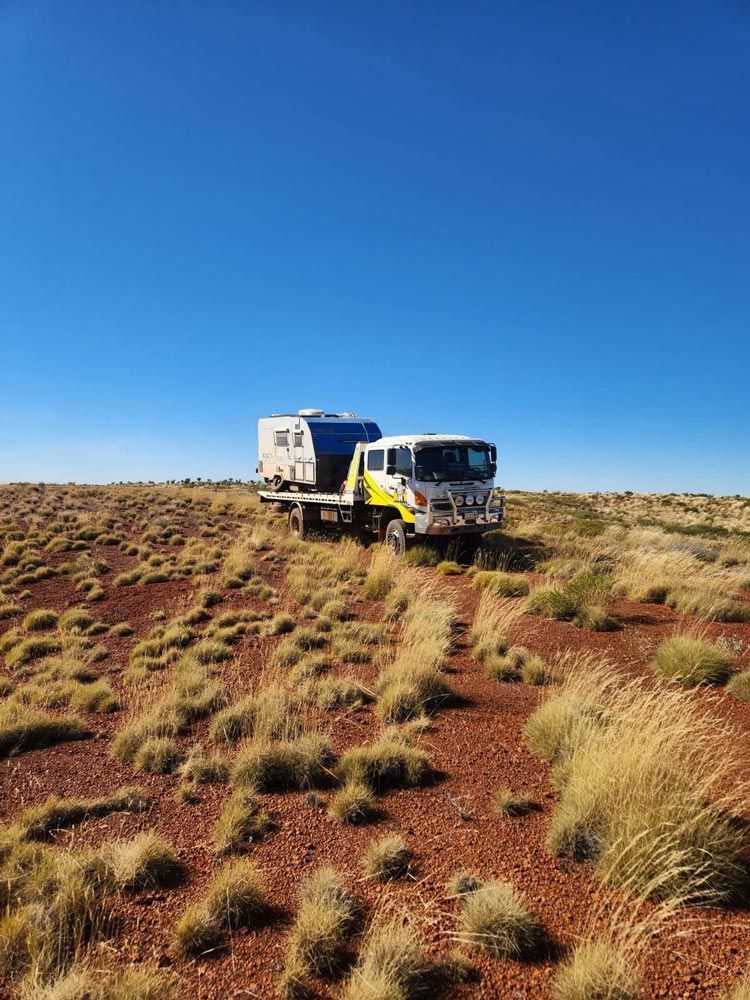
Remote roads present unique challenges. Long distances, harsh conditions and limited mobile service mean drivers rely heavily on towing providers when issues arise. Tow trucks fill the gap between roadside assistance promises and practical support in areas where help can otherwise be difficult to reach. They may respond to:
- Vehicles stranded far from populated areas
- Breakdowns in areas with limited passing traffic
- Drivers who need transport after their vehicle becomes unsafe
- Situations where emergency services cannot attend immediately
This frontline response is essential in maintaining safety for travellers who may otherwise be left waiting for hours.
Reliability, Availability and the Value of Local Knowledge in Towing
Local towing crews bring more than a truck — they bring experience with roads, weather patterns and common breakdown locations. This local insight helps operators navigate quickly and make informed decisions during recovery jobs. Local knowledge provides reassurance that help can arrive efficiently. Benefits of local expertise include:
- Understanding the quickest routes to remote breakdowns
- Knowing which areas require particular caution
- Being familiar with regional driving habits and common hazards
- Supporting roadside assistance programs with dependable response times
This reliability helps drivers feel supported during stressful moments behind the wheel.
Support When You Need It
At
AHT Towing, we support drivers by providing reliable towing services for breakdowns, accidents and
emergency situations. Our team works closely with local roadside assistance providers to help motorists who need prompt, dependable support on the road. For
towing in Alice Springs,
get in touch and request help when you need it most.