Breakdown Towing For Fleets & Commercial Vehicles In Alice Springs
A vehicle breakdown is more than an inconvenience when that vehicle is part of a working fleet. A ute sitting on the roadside can mean a tradesperson who cannot reach the next job, while a disabled truck or piece of machinery can interrupt deliveries, site work or an entire day's schedule.
For businesses operating around Alice Springs and across Central Australia, breakdown towing is easier to manage when there is already a plan in place. Knowing who to call, what information the towing operator will need and where the vehicle should be taken can reduce unnecessary delays when a breakdown happens.
What Does a Breakdown Really Cost a Working Fleet?
The tow itself is only one part of the disruption. When a commercial vehicle stops, the business may also be dealing with:
- An employee who cannot continue their work
- Missed appointments or deliveries
- Equipment that cannot reach a job site
- A replacement vehicle that needs to be organised
- Customers or contractors waiting for an updated arrival time
- A vehicle that may be a considerable distance from Alice Springs
For freight operators, mine and station contractors, trades and other businesses working across Central Australia, distance can make the impact even greater.
That is why having a breakdown towing process in place before something goes wrong is useful. The person driving the vehicle should already know who to contact and what information to provide rather than having to search for a towing operator from the roadside.
What Should Your Fleet Have in Place Before a Breakdown?
A simple towing plan can save time when a driver is already dealing with a vehicle that will not move.
Save a 24/7 Towing Contact
Drivers and fleet managers should have a towing number saved somewhere easy to access.
This matters even more for businesses running vehicles outside standard working hours. A 24-hour tow truck in Alice Springs gives operators somewhere to turn when a breakdown happens early in the morning, late at night or over a weekend.
The contact should be saved in company phones, fleet documentation or any other system drivers can access quickly.
Keep Basic Vehicle Details Available
The towing operator needs to know what is being recovered before dispatching equipment.
Useful information includes:
- Vehicle make and model
- Approximate size and weight
- Whether it is a ute, van, truck, 4WD or machinery
- Whether it is loaded
- The nature of the breakdown
- Whether the vehicle can roll and steer
- Any access difficulties at the location
Accurate information makes it easier to send the right truck and loading equipment the first time.
Know Where the Vehicle Needs to Go
The destination should also be clear.
Depending on the circumstances, the vehicle might need to be transported to a workshop, depot, storage yard or another nominated site. Having a preferred drop-off point already recorded can prevent another round of calls while the vehicle is waiting to be moved.
What Should You Tell the Towing Operator?
Location is the first priority, particularly outside Alice Springs.
Give the operator the clearest location possible. That might include a street address in town, highway name and direction of travel, kilometre marker, property entrance, job-site name or GPS coordinates.
Then explain what has happened and what needs towing.
For example, a call about a standard work ute requires very different planning from a loaded commercial truck or piece of machinery that has stopped at a remote work site.
Also mention:
- Whether the vehicle is safely off the road
- Whether it has been involved in an accident
- Any visible damage
- Whether wheels are locked or damaged
- Whether access is restricted
- Whether machinery or cargo is involved
- The intended destination
The more complete the information, the easier it is for an operator to determine what equipment is appropriate.
Towing a Ute Is Different From Recovering a Truck or Machinery
Commercial fleets can include very different types of vehicles.
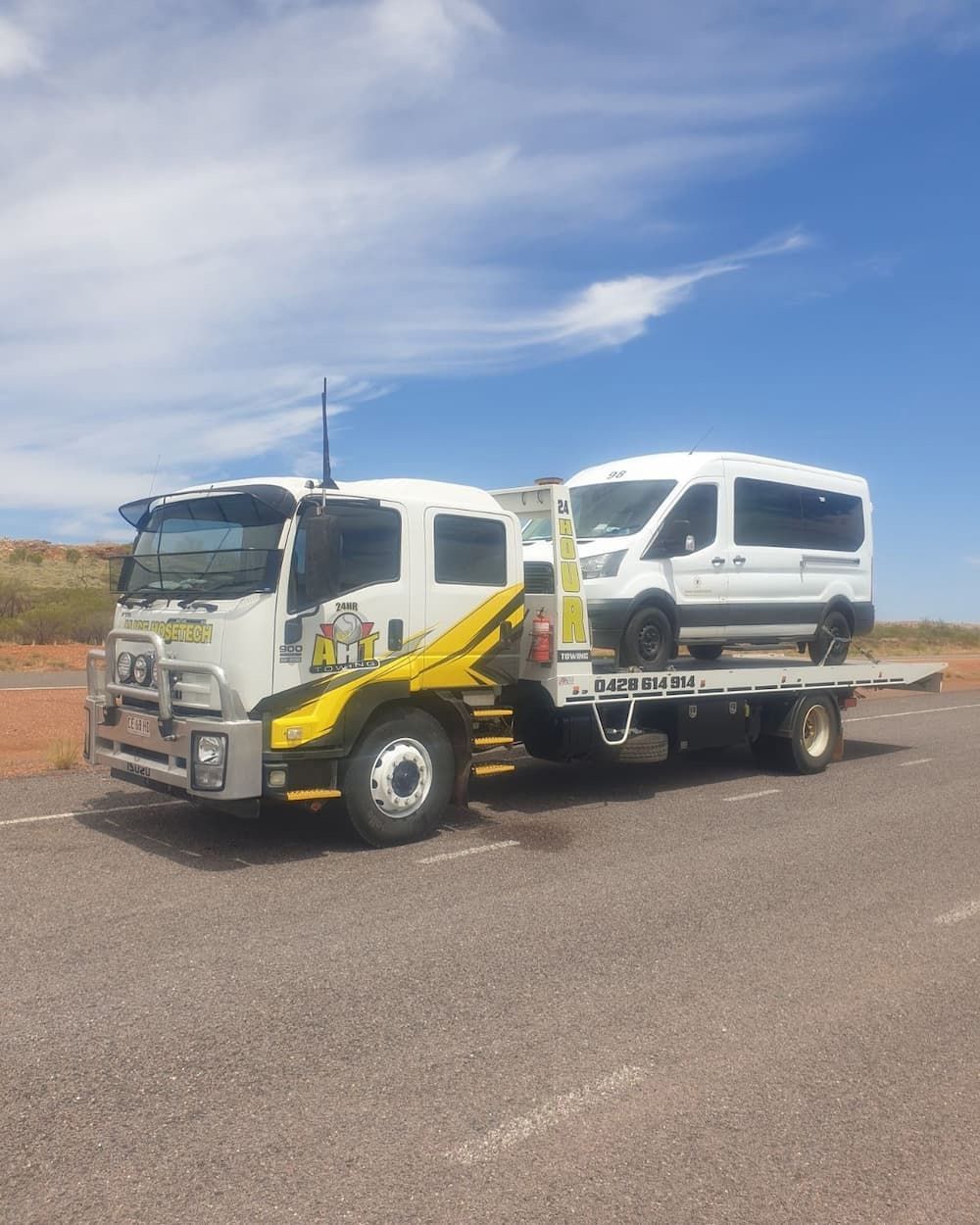
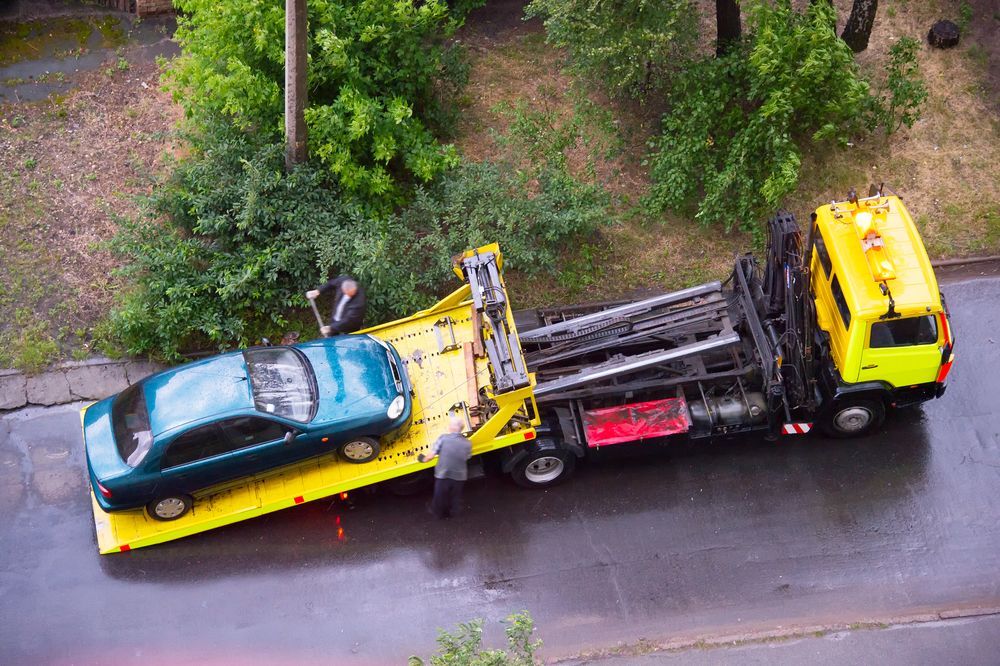
Light commercial vehicles such as work utes, vans and 4WDs generally involve a different towing setup from trucks or heavy machinery. Businesses that mainly operate these vehicles may need the same basic type of recovery used for car towing in Alice Springs, with the vehicle loaded and transported to the required destination.
Larger commercial vehicles require a different approach.
A truck has different weight, dimensions and loading requirements from a ute. Machinery can add further considerations depending on its size, condition and where it has broken down.
For larger recoveries, the operator needs to know exactly what is involved so suitable equipment can be dispatched.
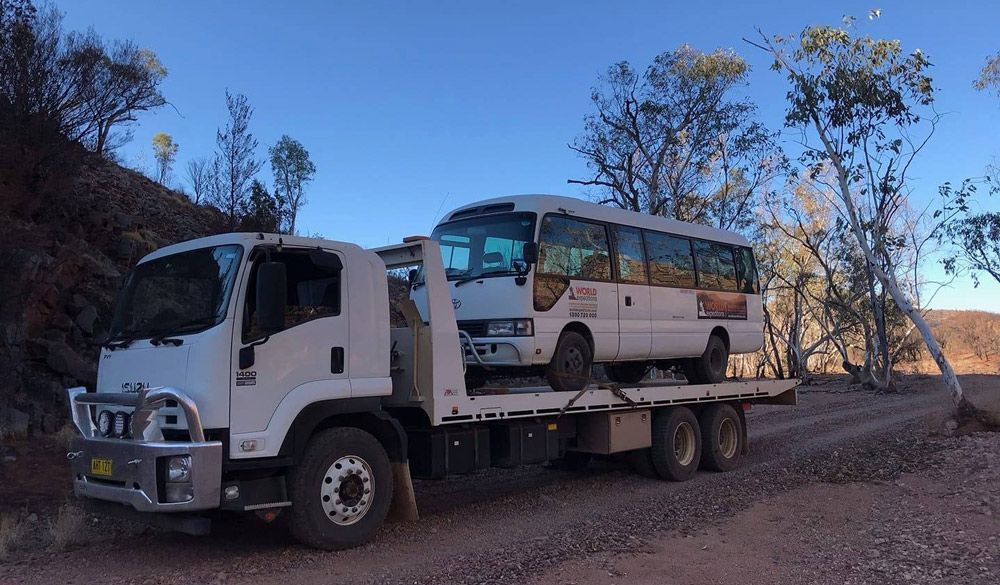
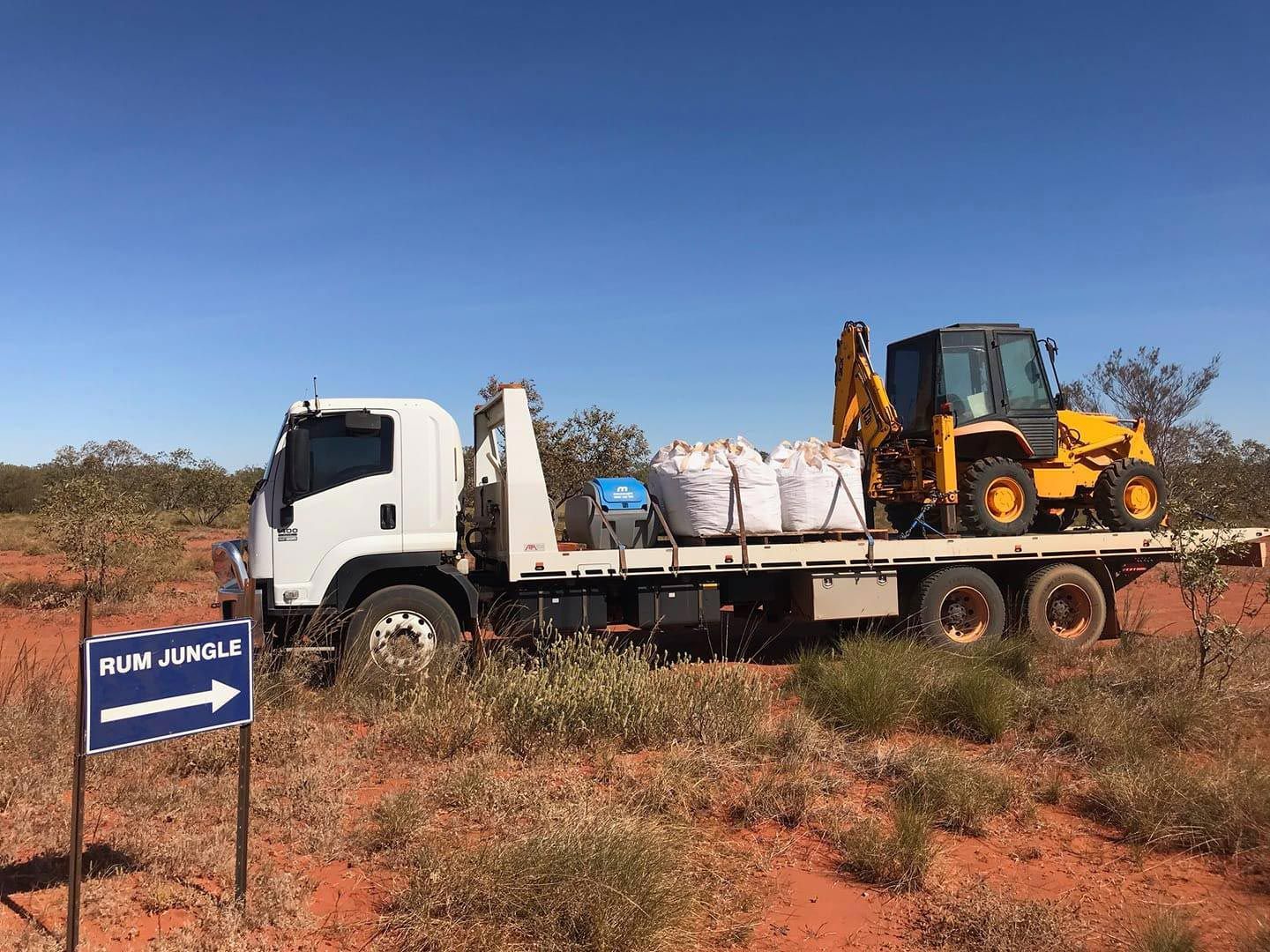
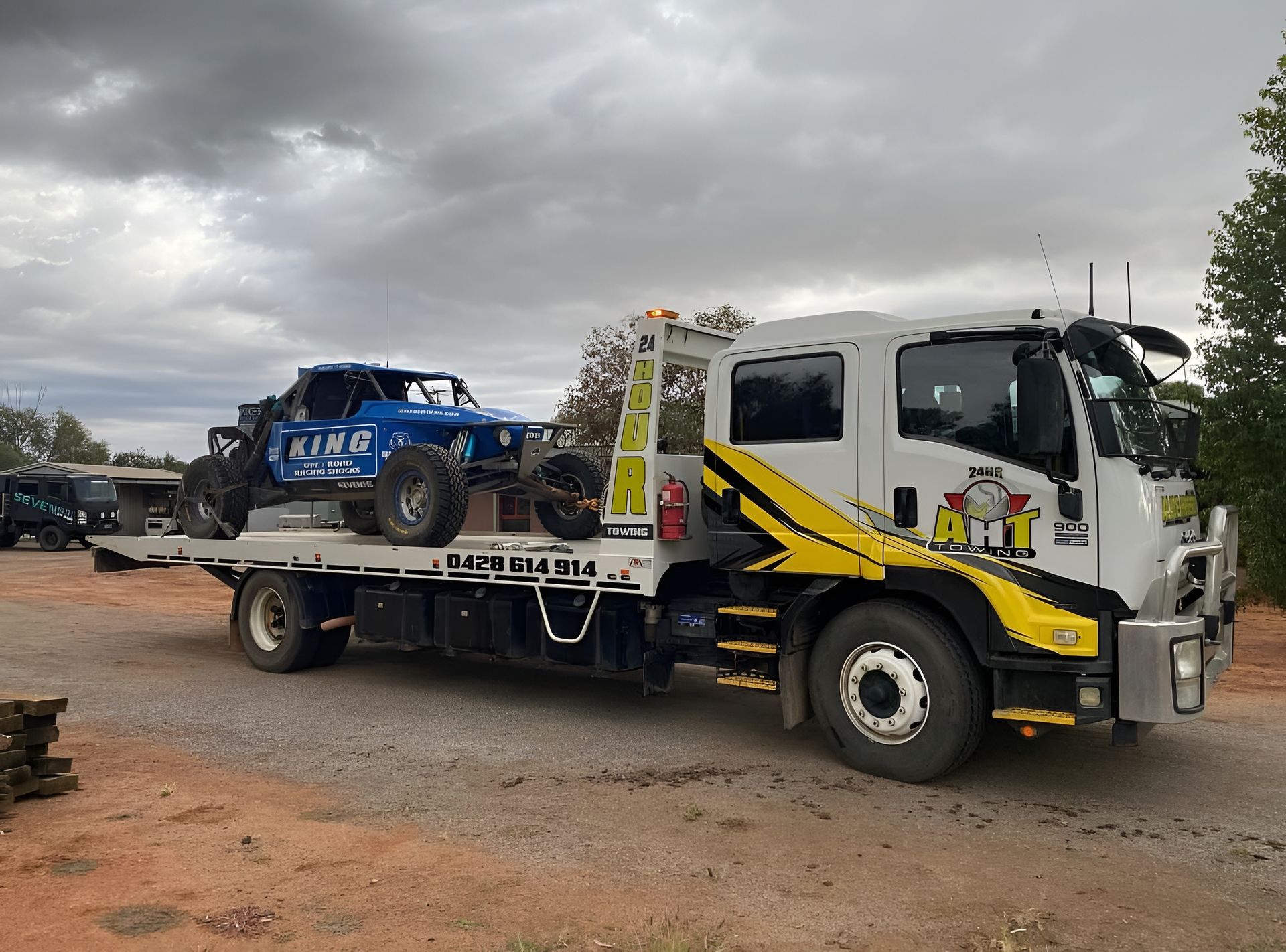
Truck and heavy machinery towing may involve tilt tray equipment and loading procedures designed for larger vehicles and plant.
How Do Distance and Remote Locations Affect a Tow?
A breakdown in Alice Springs itself is different from a breakdown well outside town.
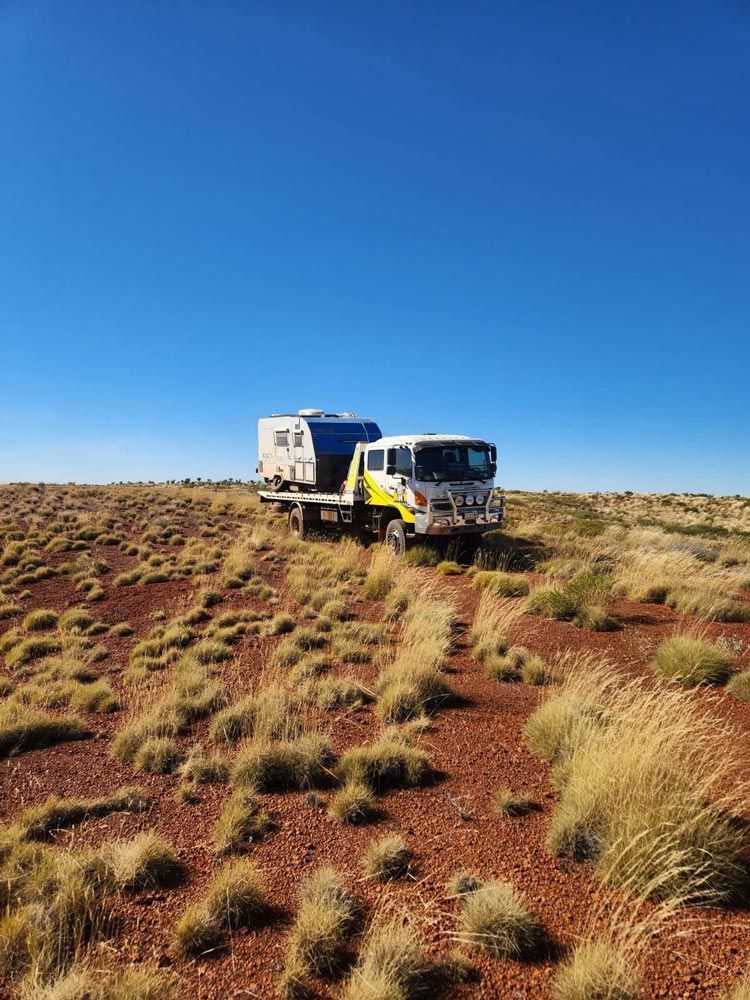
Central Australian businesses may have vehicles operating on highways, rural properties, remote work sites and unsealed access roads. Greater distance means more travel for the towing vehicle, while the location itself can affect what is required to reach and recover the vehicle.
Cost can therefore vary according to factors such as:
- Distance to the breakdown
- Distance to the nominated drop-off point
- Vehicle type and size
- Equipment required
- Access to the vehicle
- Whether recovery is straightforward or more involved
- Time required to complete the job
There is no useful one-price answer for every commercial recovery because a light ute in Alice Springs and a truck at a remote site are fundamentally different jobs.
This is another reason to give clear information when requesting emergency towing in the NT. An accurate description allows the operator to assess the job properly before setting out.
Why Fleet Managers Should Plan for After-Hours Breakdowns
Commercial vehicles do not always operate from nine to five.
Freight, trades, contracting and remote-area work can start early, finish late or continue through weekends. When the vehicle is essential to the work being done, waiting until the next business day may create another layer of downtime.
Having access to 24/7 emergency towing gives fleet operators a recovery option when a vehicle stops outside normal business hours.
For fleet planning purposes, the important step is making sure drivers already know what to do when that situation occurs.
Make Breakdown Towing Part of Your Fleet Plan
A breakdown cannot always be prevented, but the response does not have to be improvised.
A practical fleet plan should include:
- A saved 24/7 towing contact
- Up-to-date vehicle information
- Clear instructions for drivers
- Preferred repair or drop-off locations
- A process for giving accurate location details
- A contact within the business who can make decisions if the driver needs assistance
That preparation can reduce the amount of information that has to be gathered while a vehicle is already stranded.
Keep AHT Towing's Number Ready
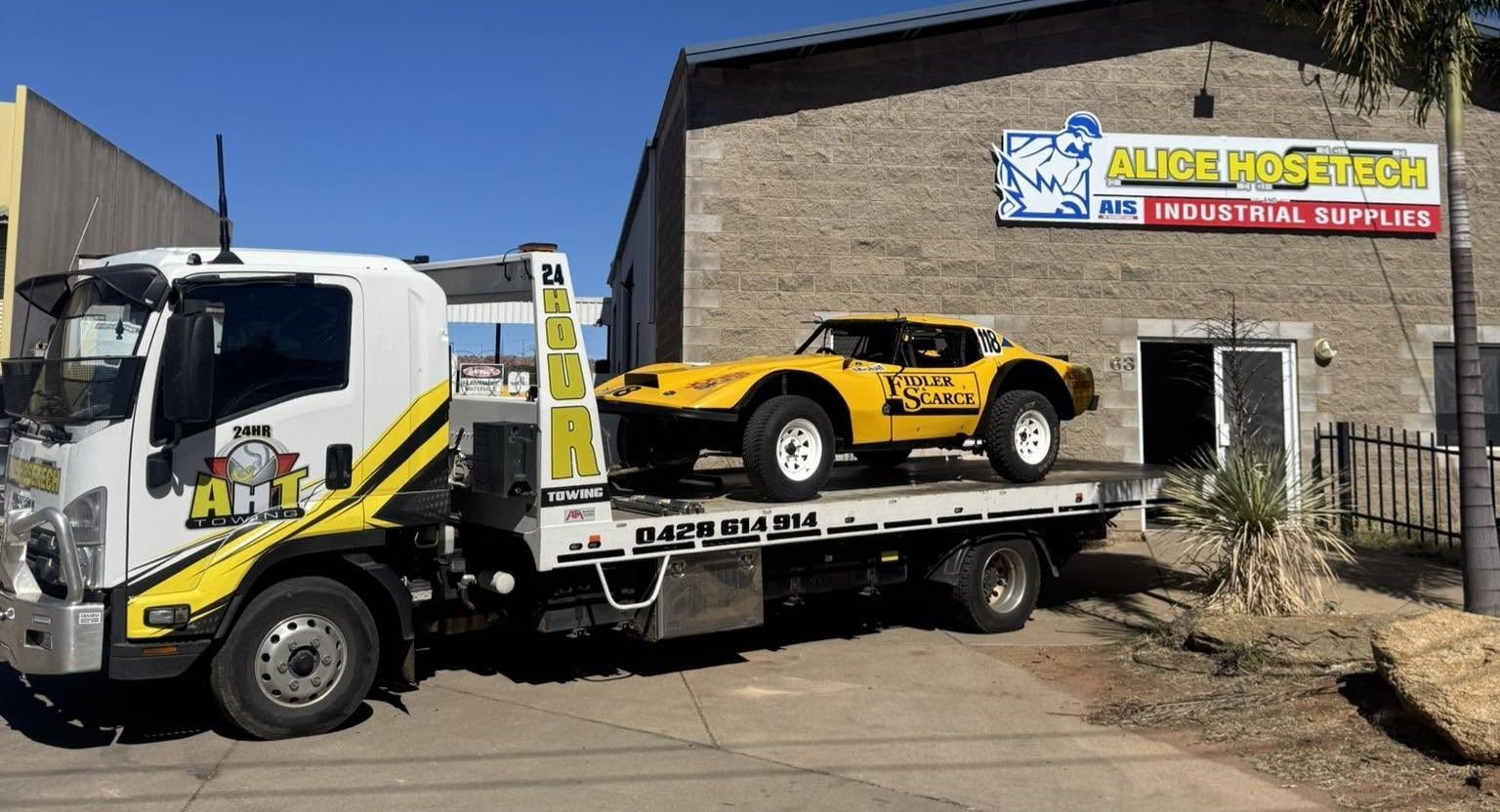
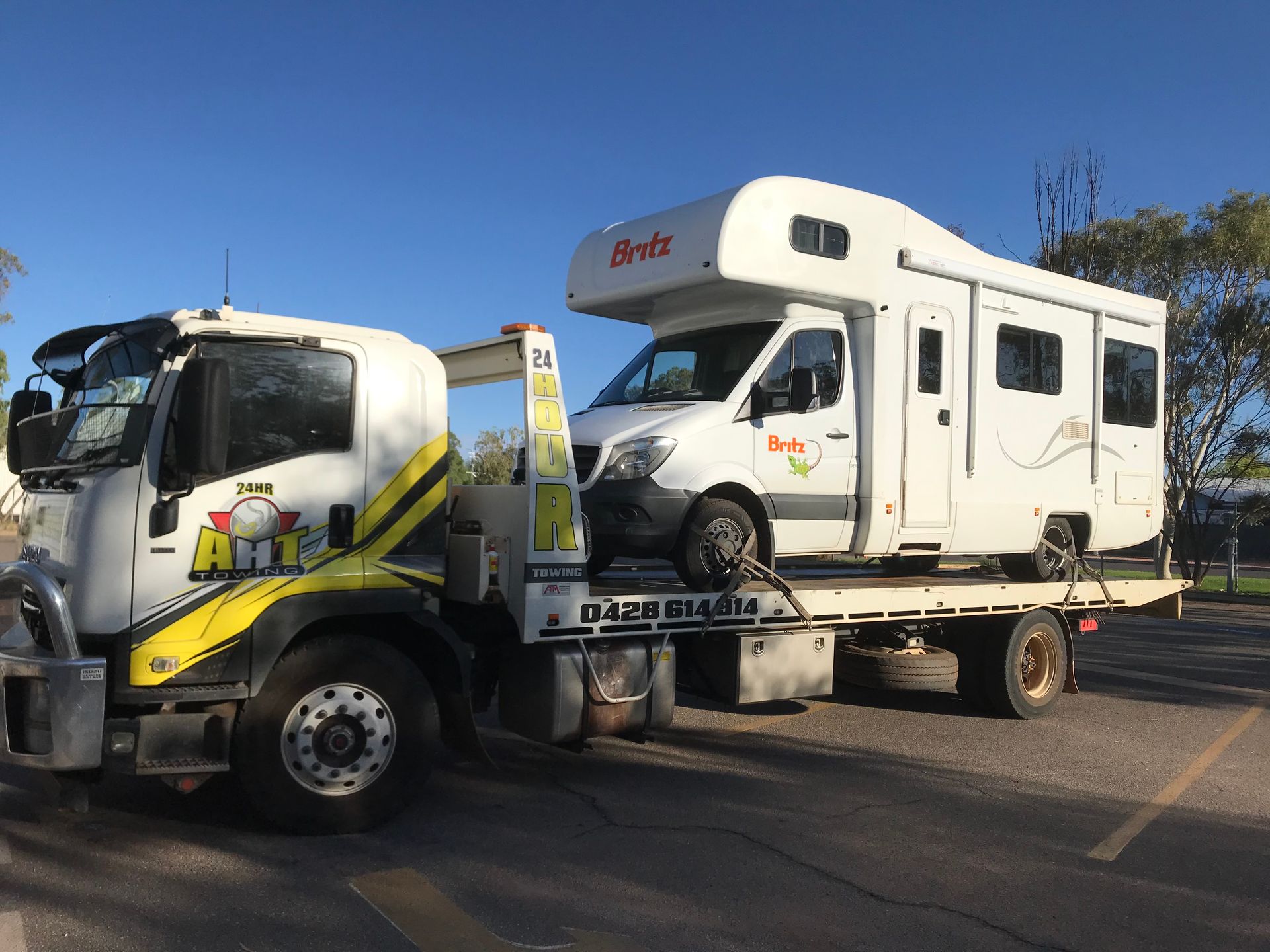
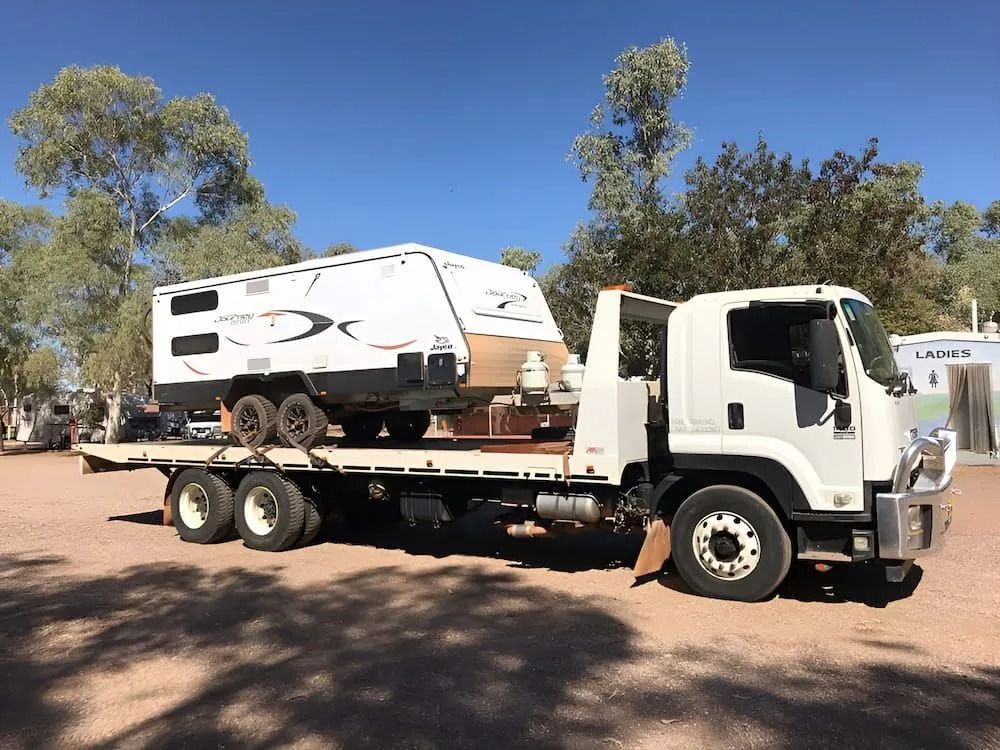
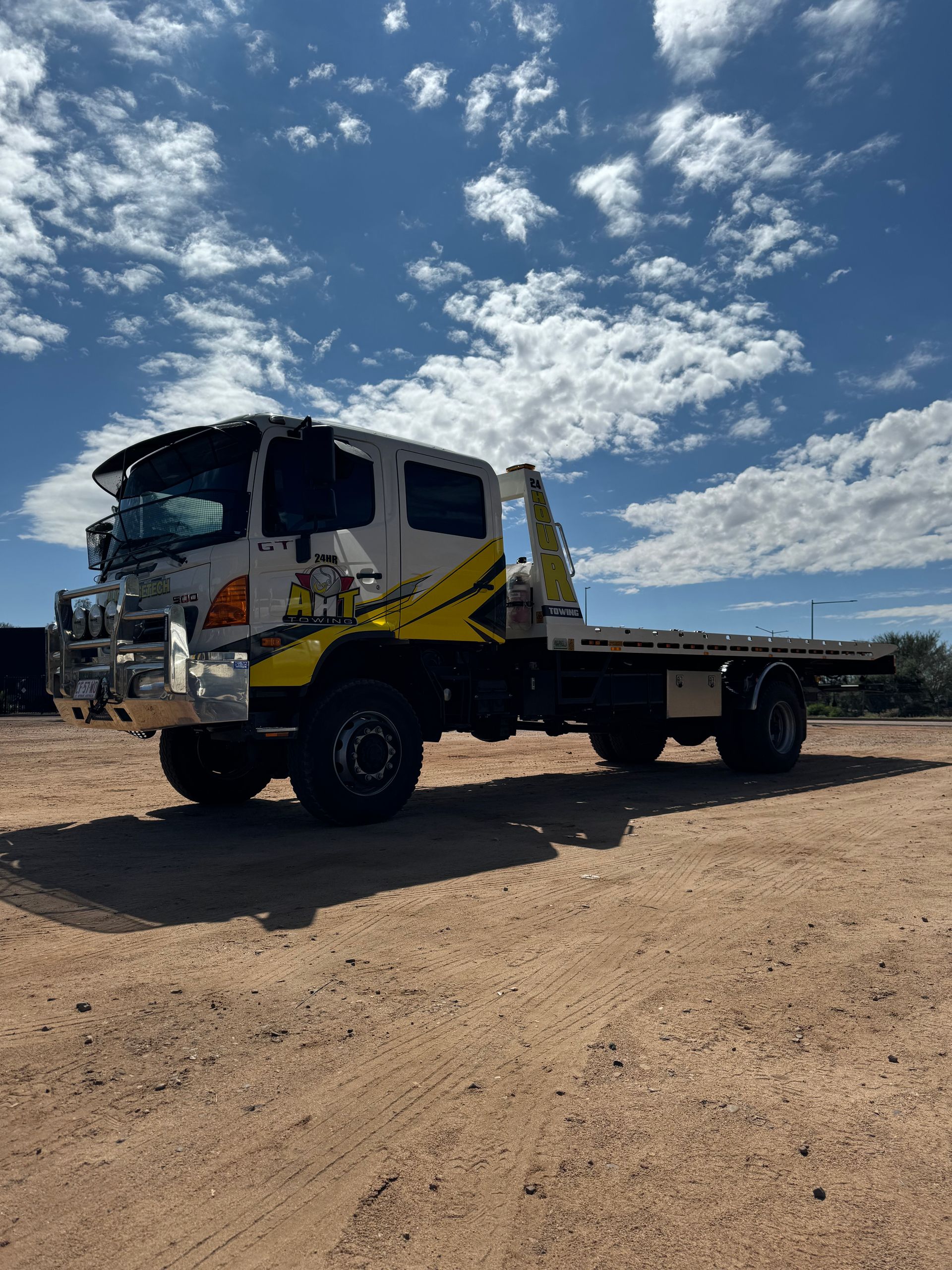
At AHT Towing, we provide 24/7 towing and recovery for businesses operating in Alice Springs and surrounding Central Australia. Our towing services cover work utes, vans, 4WDs, trucks and machinery, with different towing equipment available depending on the job.
For breakdown towing in Alice Springs, save 0428 614 914 in your fleet contacts so your drivers know who to call when a vehicle cannot continue.
You can also view our broader
towing in Alice Springs services for commercial vehicles, equipment and scheduled transport.
Frequently Asked Questions