Moving a Shipping Container? Here’s How Professionals Handle It
Relocating a shipping container might sound straightforward at first, but the reality is often more complex. Whether it is being used for storage, construction or a temporary workspace, moving a shipping container involves careful planning, the right equipment and attention to detail at every stage. From preparing the site to navigating transport requirements, each step plays a role in getting the container from one point to another without unnecessary complications.
Understanding how the process works can help you make informed decisions, especially when considering services like container transport in Alice Springs. Below is a clear guide to how container relocation is typically handled from start to finish.
Understanding the Size & Weight of the Container
Before any transport takes place, one of the first considerations is the size and weight of the container. Shipping containers are commonly available in 10ft, 20ft and 40ft variations, each with different weight ranges depending on whether they are empty or loaded.
This information directly influences the type of tow truck or transport equipment required.
- Empty containers can still weigh several tonnes
- Loaded containers may exceed standard towing limits
- Weight distribution affects how the container is secured & lifted
Accurate measurements help determine what kind of setup is needed, particularly when arranging a tow truck that can handle the load safely.
Assessing Site Access at Pickup & Delivery Locations
Site access is often one of the more overlooked aspects of moving a shipping container. Even if the transport vehicle is suitable, limited space or difficult terrain can affect the process.
Key access factors include:
- Driveway width & turning space
- Ground conditions such as sand, gravel or uneven surfaces
- Clearance for overhead obstacles like trees or powerlines
- Distance from the road to the container’s position
If access is restricted, additional equipment or alternative positioning methods may be required. This step is essential when planning on moving a shipping container, as it can influence both timing and logistics.
Choosing the Right Equipment for the Job
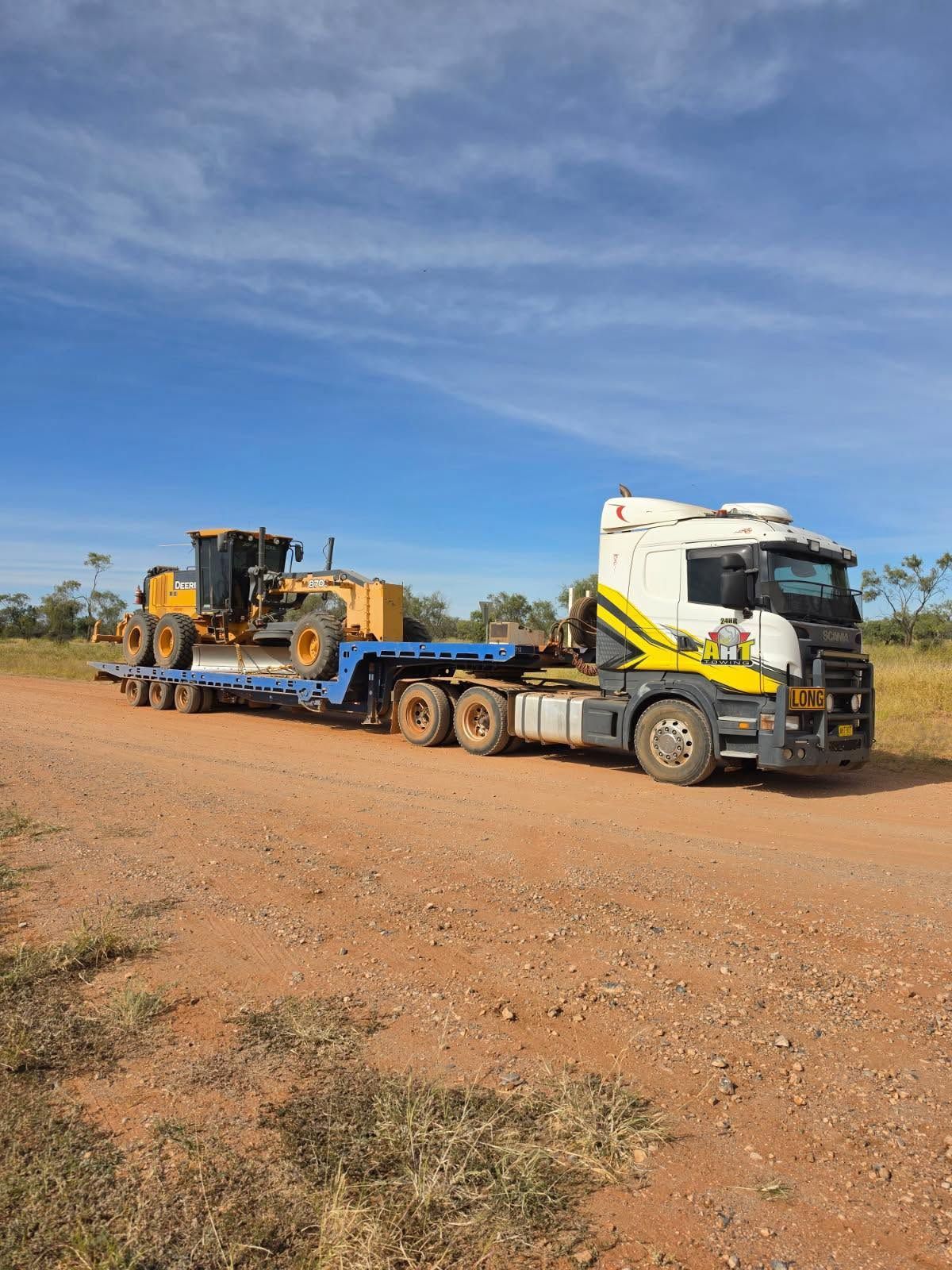
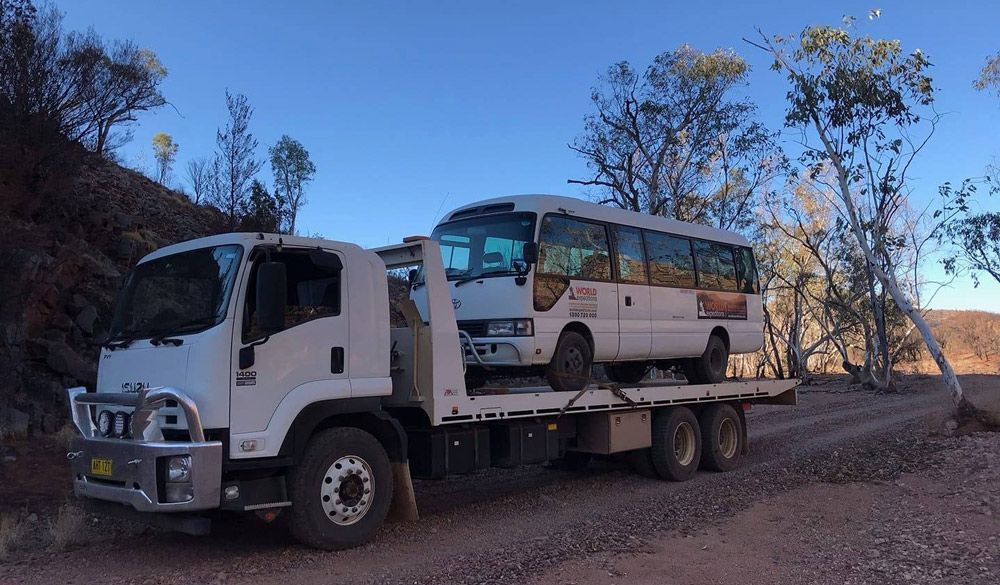
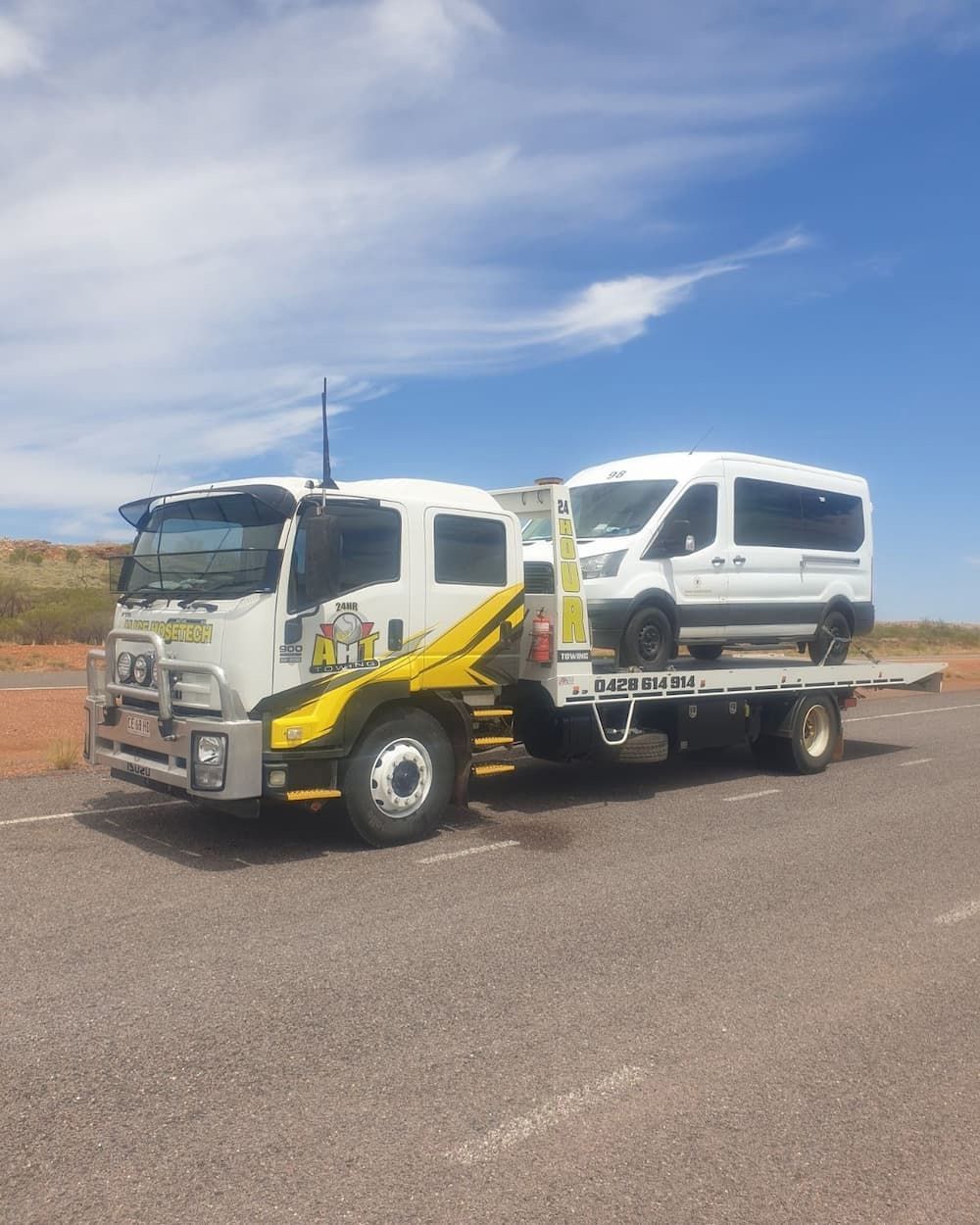
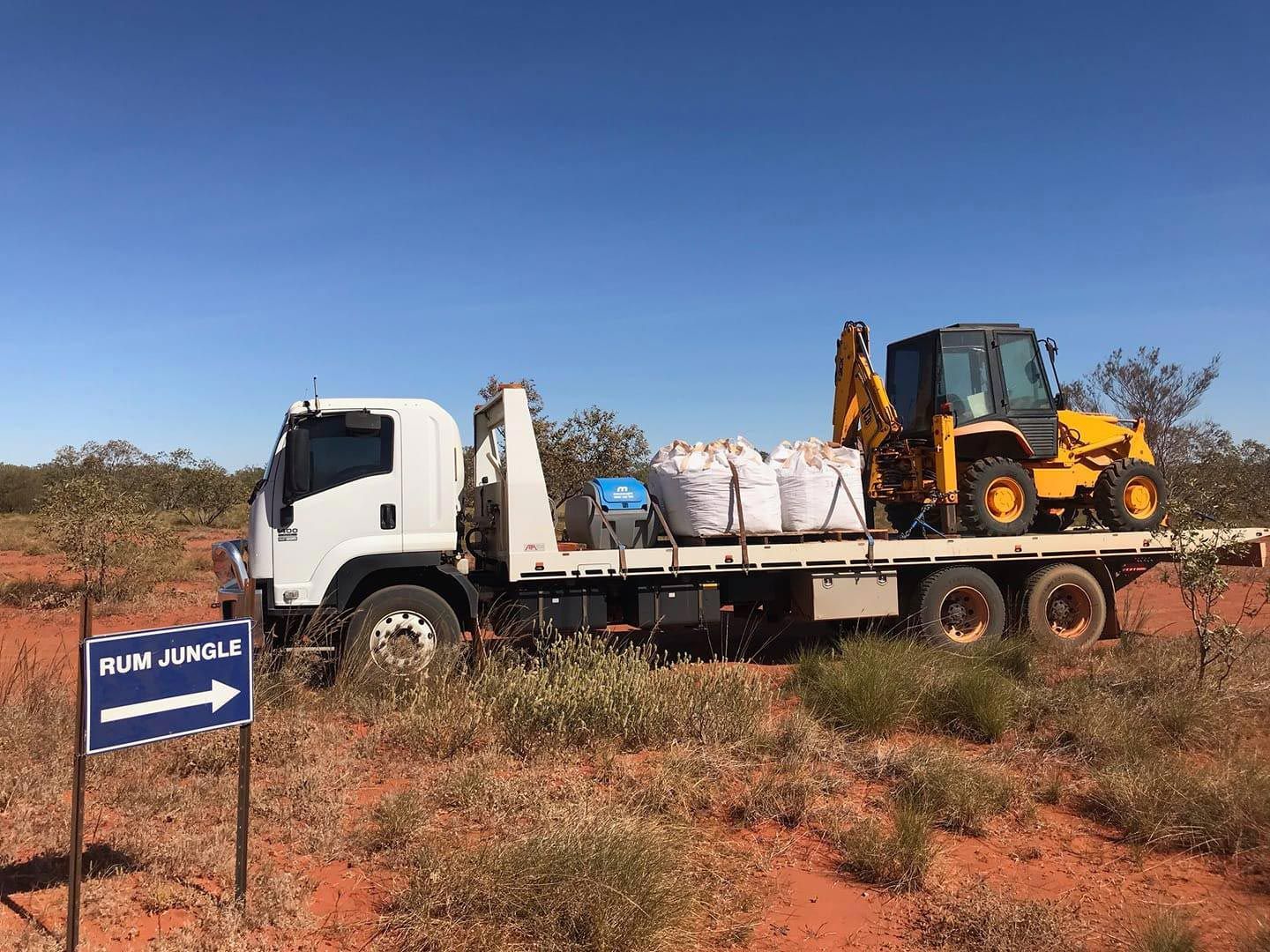
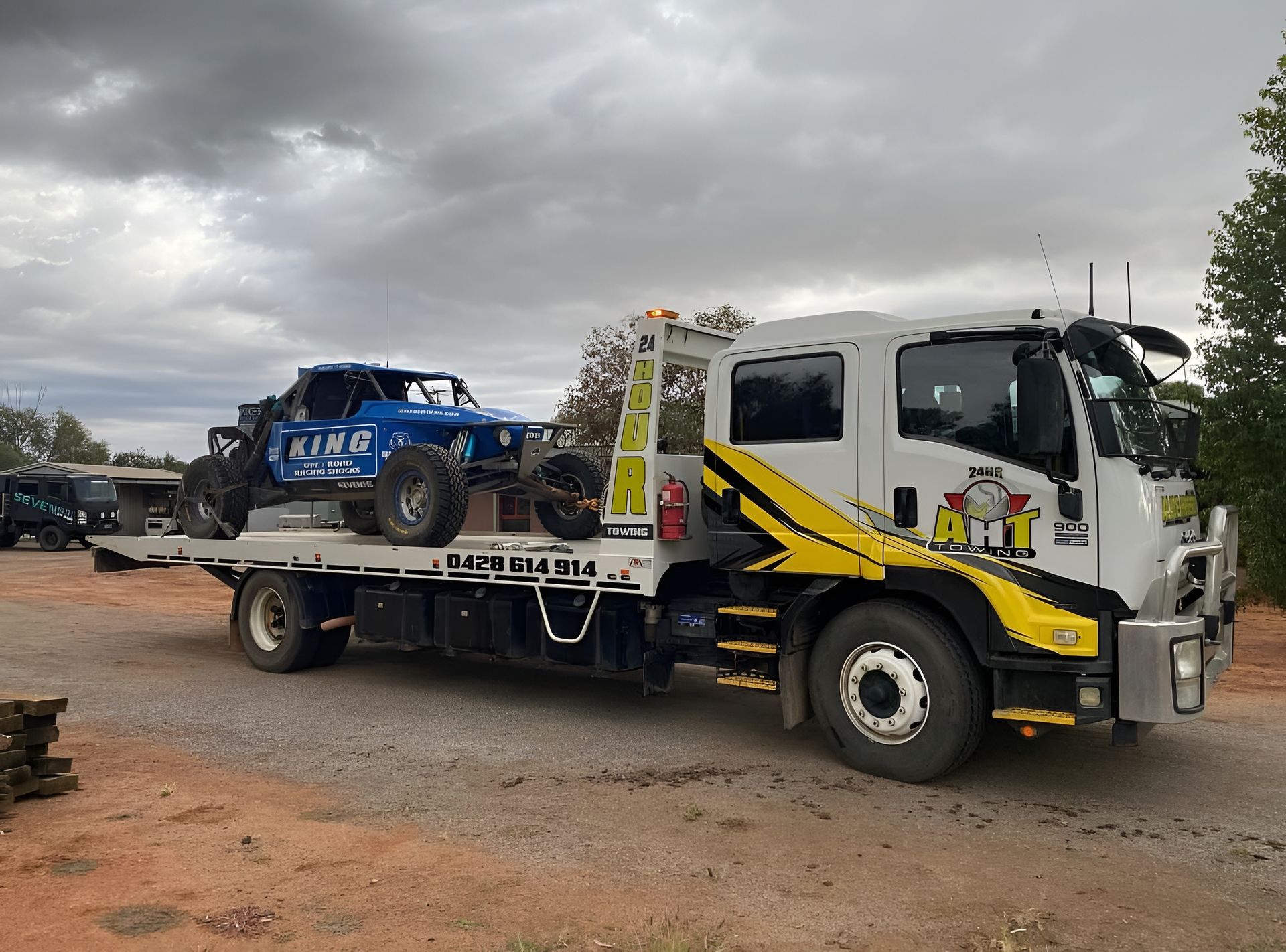
Transporting a shipping container requires more than a standard vehicle. Specialised tow trucks and lifting systems are typically used to load, secure and unload the container.
Depending on the situation, equipment may include:
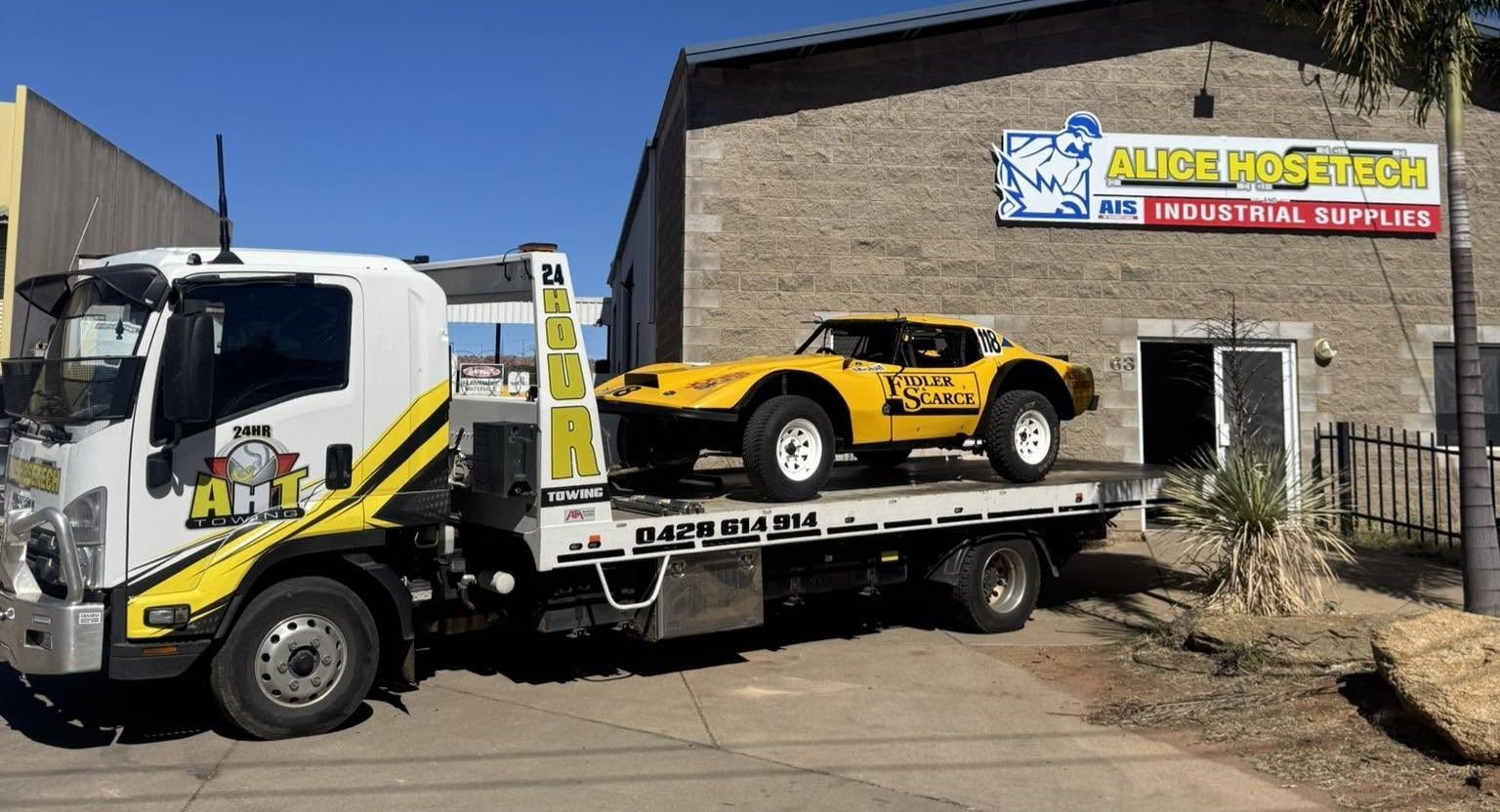
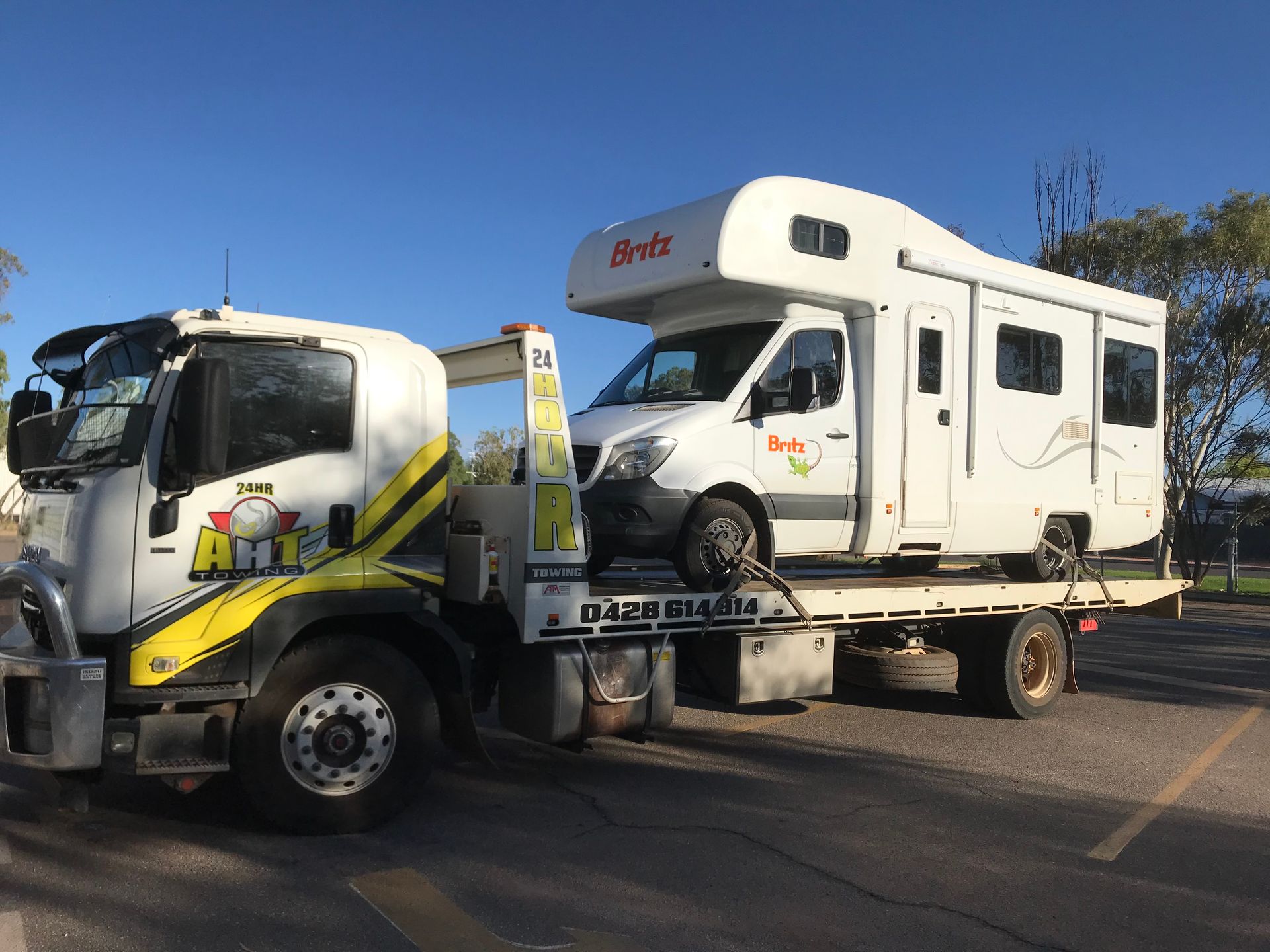
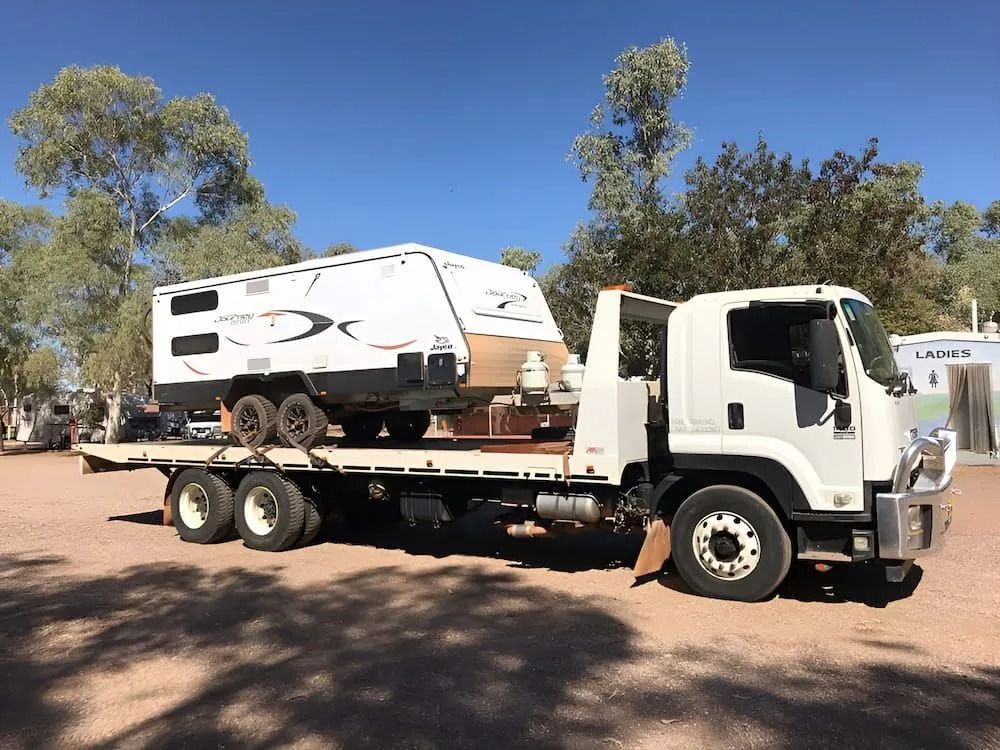
- Tilt tray trucks for easy loading & unloading
- Side loaders for lifting containers into tight spaces
- Cranes for placements where direct access is limited
Selecting the right equipment helps manage the container’s weight and dimensions during transit. This is particularly relevant when searching for a tow truck in Alice Springs capable of handling larger loads.
Preparing the Container for Transport
Preparation is an important step before the container is moved. A properly prepared container reduces the risk of shifting or damage during transit.
Typical preparation steps involve:
- Removing loose items or securing contents inside
- Checking doors are closed & locked
- Inspecting the container for structural issues
- Confirming the container is positioned for easy access
When considering how to move a shipping container, preparation can make a noticeable difference in how smoothly the process runs.
Securing the Container for Safe Transit
Once loaded onto the transport vehicle, the container must be secured to prevent movement while on the road. This involves using restraints and anchoring systems designed to handle heavy loads.
Common securing methods include:
- Heavy-duty chains or straps
- Twist locks or container locking systems
- Load binders to maintain tension
Proper restraint is important for maintaining stability, particularly over longer distances or uneven roads. It also helps meet transport safety requirements.
Navigating Permits & Transport Regulations
Moving a shipping container may involve regulatory considerations, especially if the load exceeds certain size or weight limits. Depending on the route and load dimensions, permits may be required.
Considerations can include:
- Oversize or overmass load permits
- Route planning to avoid restricted roads
- Travel time restrictions for larger loads
- Compliance with local transport regulations
These factors are part of the broader planning process when organising container transport in Alice Springs, ensuring that transport aligns with relevant guidelines.
Transporting the Container to Its Destination
The transport phase involves more than simply moving from point A to point B. Route selection, road conditions, and traffic all play a role in how the container is delivered.
During transit, attention is given to:
- Selecting suitable routes for large vehicles
- Avoiding areas with low clearance or tight turns
- Monitoring load stability throughout the journey
- Adjusting for weather or road conditions if needed
Using a suitable tow truck can help address these factors, particularly when dealing with varying terrain or longer distances.
Placing the Container at the Final Location
The final step is positioning the container at its destination. This can be straightforward or require additional coordination, depending on site conditions.
Placement considerations include:
- Aligning the container with its intended use (storage, workspace, etc.)
- Ensuring stable ground for long-term positioning
- Allowing space for access & ventilation
- Using lifting equipment if precise placement is required
Careful placement completes the process of moving a shipping container, ensuring it is ready for use without the need for further adjustment.
Why Professional Handling Matters
While it may be tempting to explore DIY options, transporting a shipping container involves multiple variables that need to be managed carefully. From weight distribution to route planning, each step carries its own considerations.
Working with a towing and transport service helps address:
- Equipment compatibility with container size
- Safe loading & unloading procedures
- Coordination of transport logistics
- Compliance with transport requirements
This is particularly relevant when arranging container transport in Alice Springs, where environmental conditions and distances can influence the process.
Get in Touch
If you are planning a container move, having the right support can make the process more straightforward. At AHT Towing, we understand the practical challenges involved in transporting large items across varying conditions. Whether you are arranging storage relocation or shifting a container for a new project, you can reach out through our website to discuss your requirements.
Planning ahead, understanding site limitations and organising suitable transport can help reduce delays and unexpected issues along the way. In regions like Alice Springs, factors such as distance, road conditions and access to properties can all influence how a container is moved. Taking these into account early can help you approach the process with greater clarity and confidence.