What Is A Tilt Tray Truck? (And When Do You Need One)
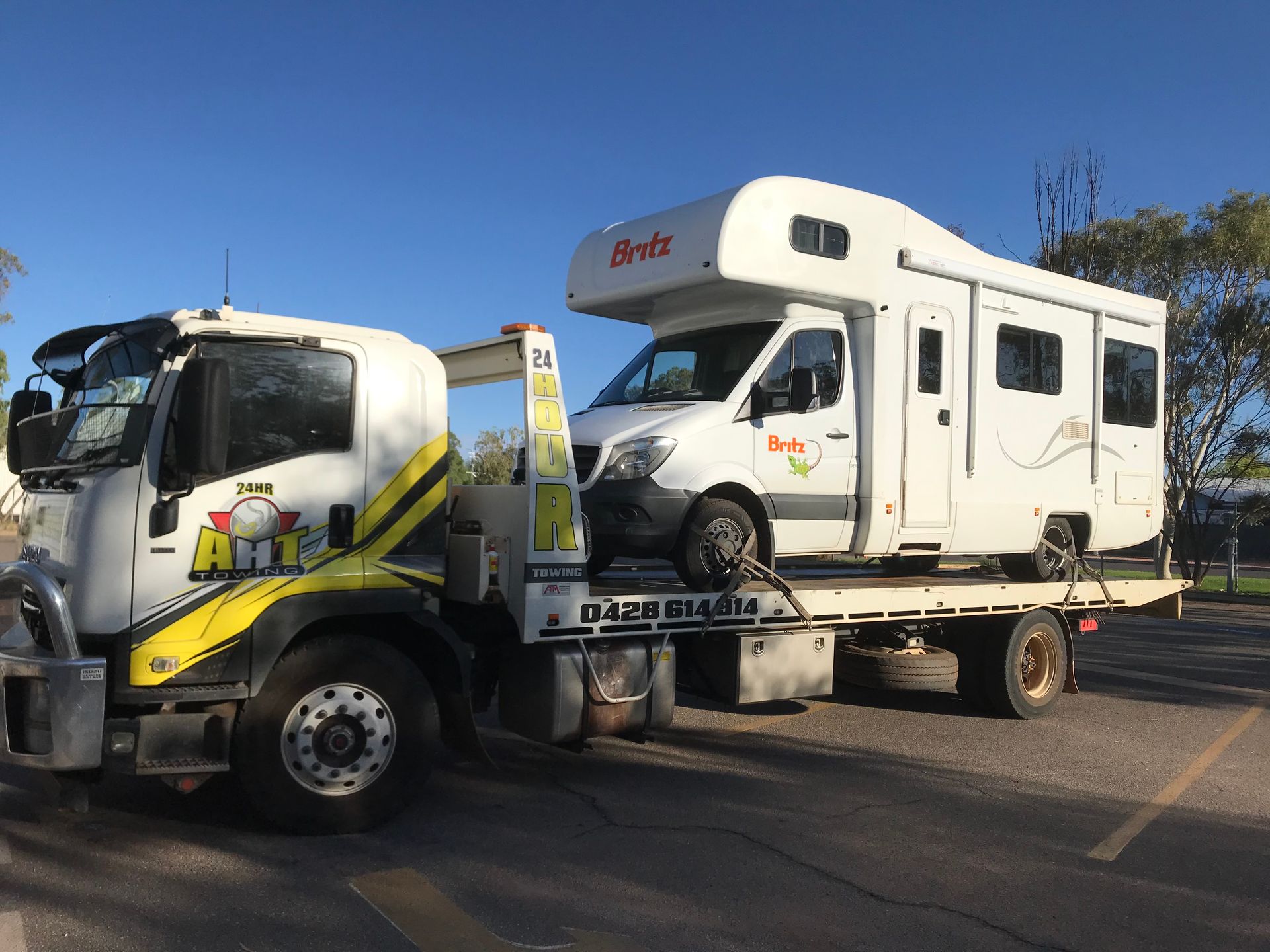
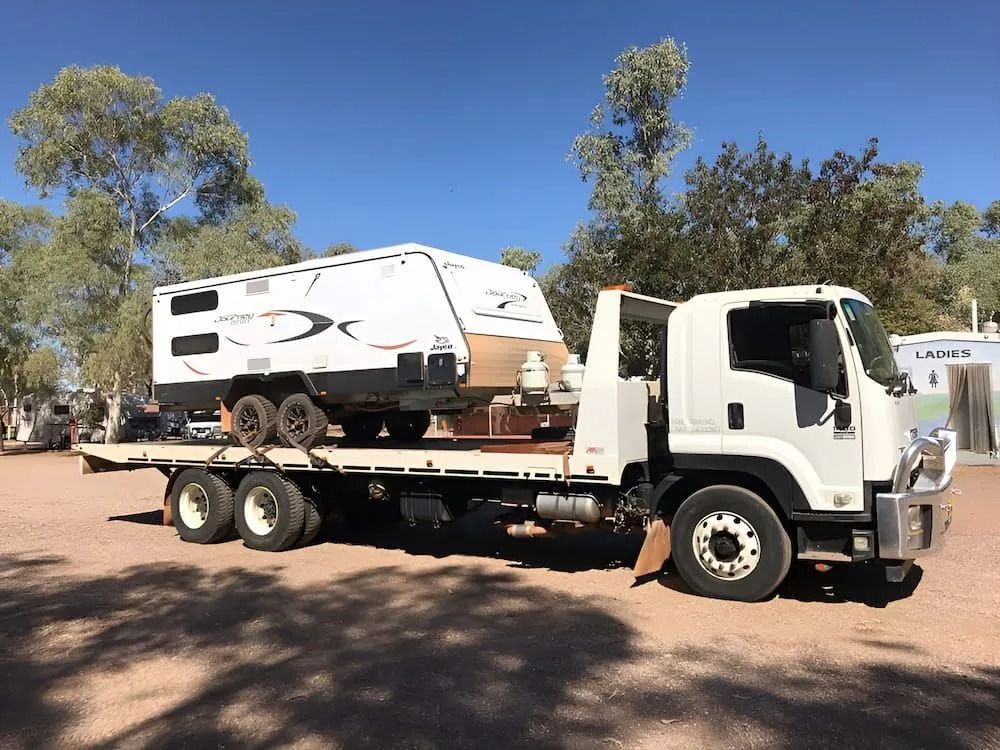
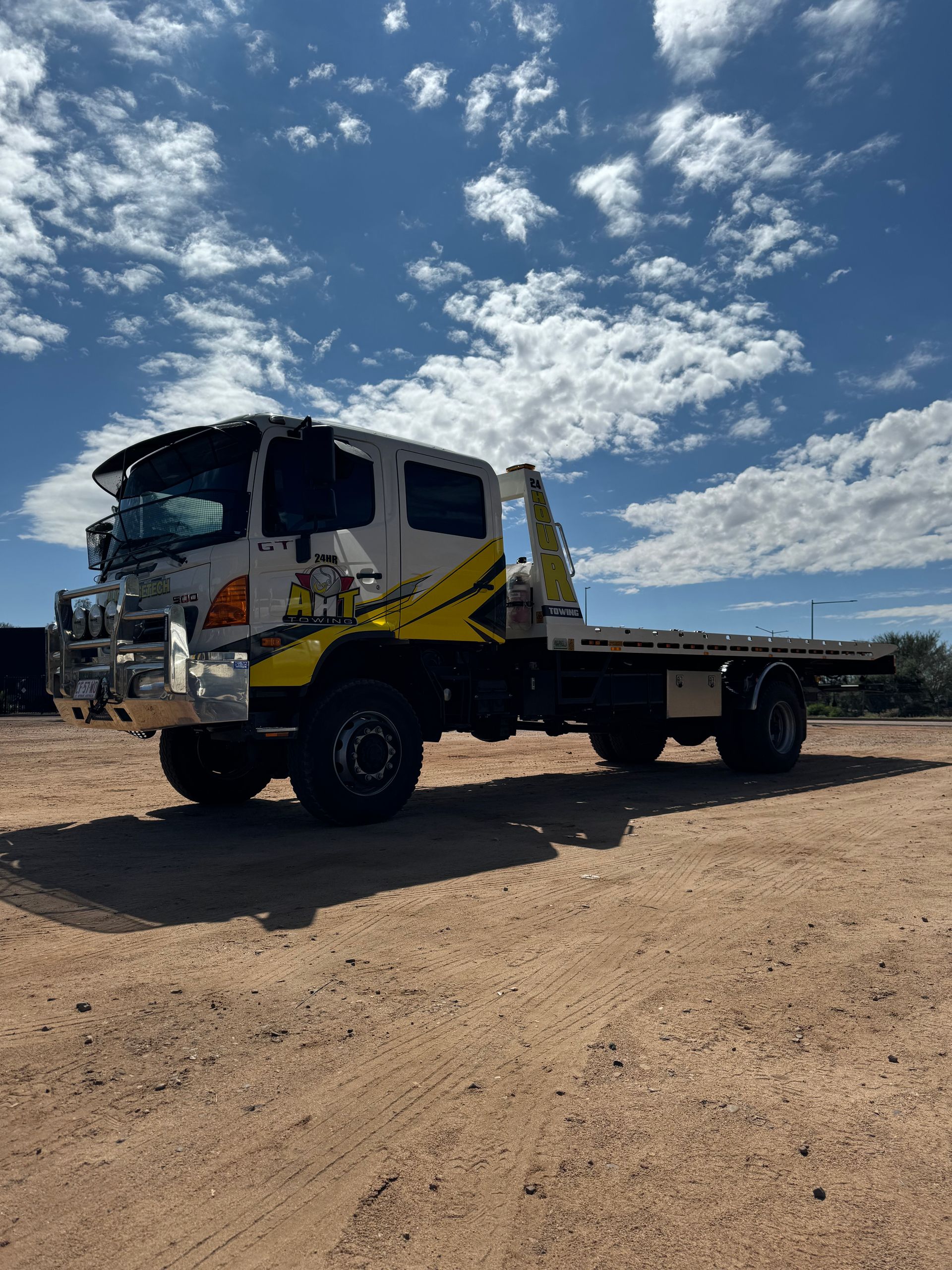
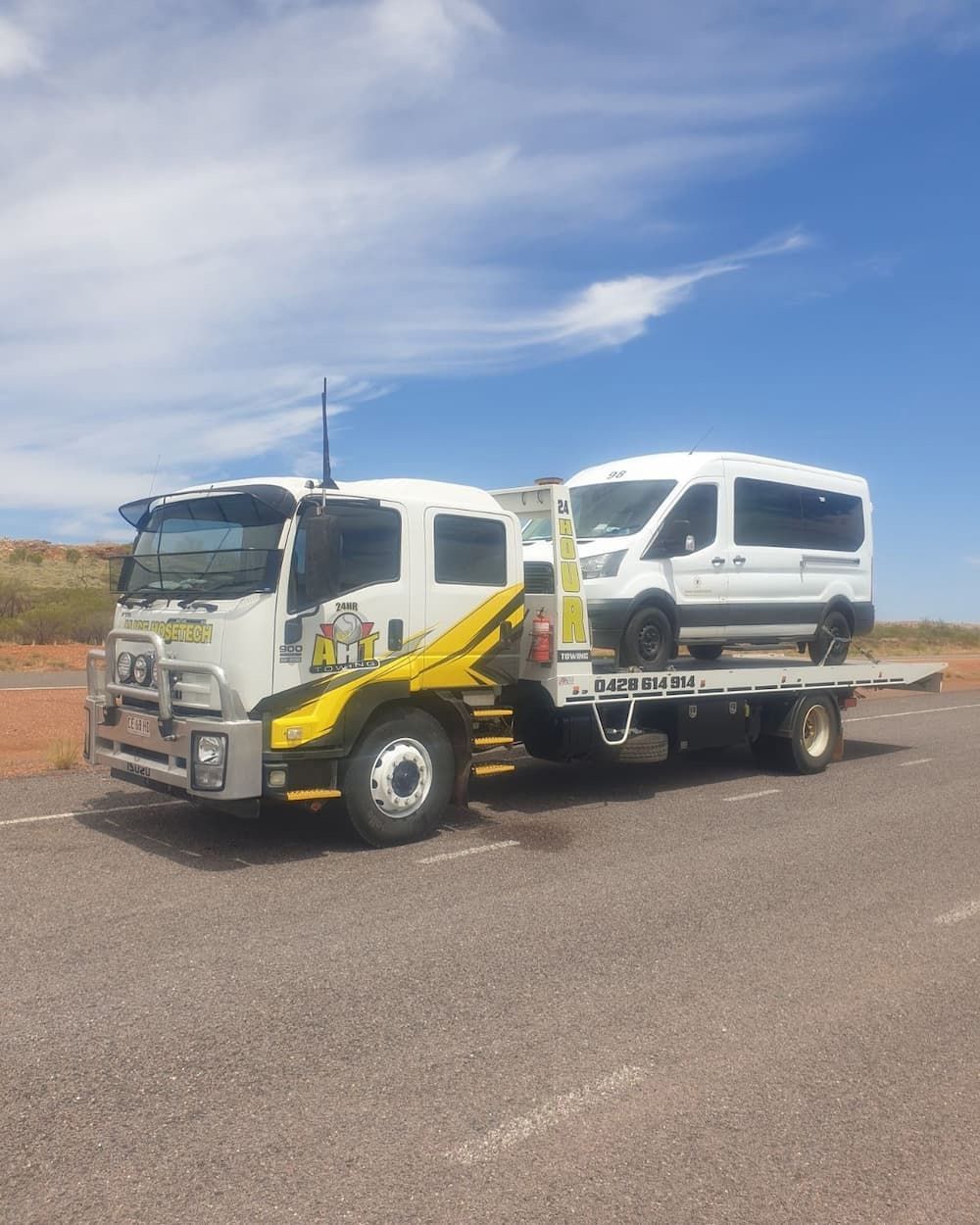
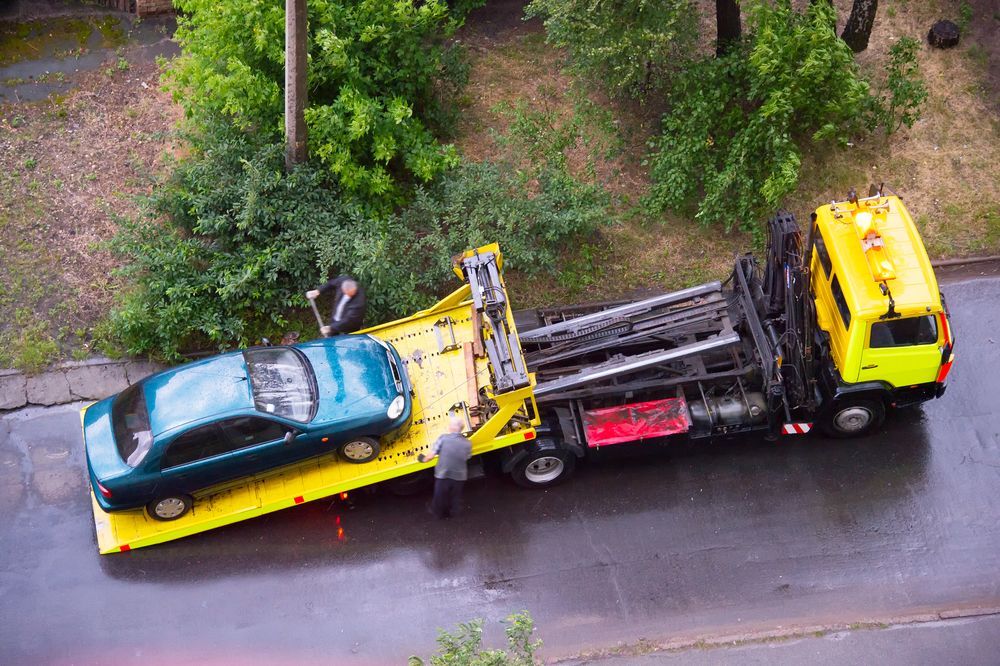
A tilt tray truck is a flat-deck tow truck with a hydraulically operated tray that tilts down to ground level, allowing a vehicle or load to be winched or driven onto the deck before the tray returns to a flat, level position for transport. All four wheels of the load leave the ground entirely during transit.
You've probably heard the term thrown around at a mechanic's shop or seen one rolling past with a car sitting neatly on its back. But unless you've needed one before, you might not know exactly what a tilt tray truck is, how it works, or why it matters which type of tow truck turns up. The answer has more practical consequences than most people expect, particularly if you're dealing with a 4WD, a lowered vehicle, a non-runner or a piece of machinery that needs moving. Tilt tray towing is a specific method of vehicle and load transport that sits well apart from standard hook-and-chain or wheel-lift towing. Understanding the difference can save you from unnecessary vehicle damage, failed recovery attempts and a second call-out fee.
How a Tilt Tray Truck Actually Works
The mechanics are straightforward, but the design solves a real problem: a hydraulic system tilts the deck down at an angle until the rear edge meets or nearly meets the ground. Here's what the process looks like in sequence:
- The deck tilts down hydraulically to form a ramp from the truck to the ground
- The vehicle or load is either winched up or, if it can move under its own power, driven on
- Once the load is positioned correctly, the deck tilts back up to a level, horizontal position
- Everything is then secured with tie-down straps or chains before transport begins
Because the entire load sits on a flat, fully supported surface, there's no stress placed on axles, differentials or suspension components during the tow. This matters a great deal for vehicles with mechanical faults, damage or drivetrains that aren't designed to move with any wheels on the ground.
Tilt Tray vs Hook and Wheel-Lift Towing
Not all tow trucks work the same way, and the type you need depends on what's being moved and why. Hook-and-chain and wheel-lift trucks lift the vehicle from one end only, meaning two wheels stay on the road during transit. That's workable for a standard two-wheel-drive vehicle with no mechanical issues.
Flat-deck towing is the better choice across a wider range of situations:
- AWDs and 4WDs where having any wheels on the road risks drivetrain damage
- Lowered vehicles where standard hook attachments can't engage safely
- Vehicles with front-end damage, blown tyres or suspension failure
- Non-runners that can't be steered or braked while moving
- Vehicles with automatic transmissions that shouldn't be flat-towed
The practical distinction matters more than people realise. Using the wrong method on an AWD can cause expensive drivetrain damage that compounds the original problem. Keeping all four wheels clear of the road surface for the full journey removes that risk entirely.
Beyond Breakdowns: What Else Can This Equipment Handle?
The flat deck and winch system make this type of truck versatile well beyond roadside recovery. Many people don't realise that the same vehicle used to collect a broken-down car can also move equipment that has nothing to do with a standard breakdown.
Common non-breakdown uses include:
- Forklift transport between worksites or to and from service centres
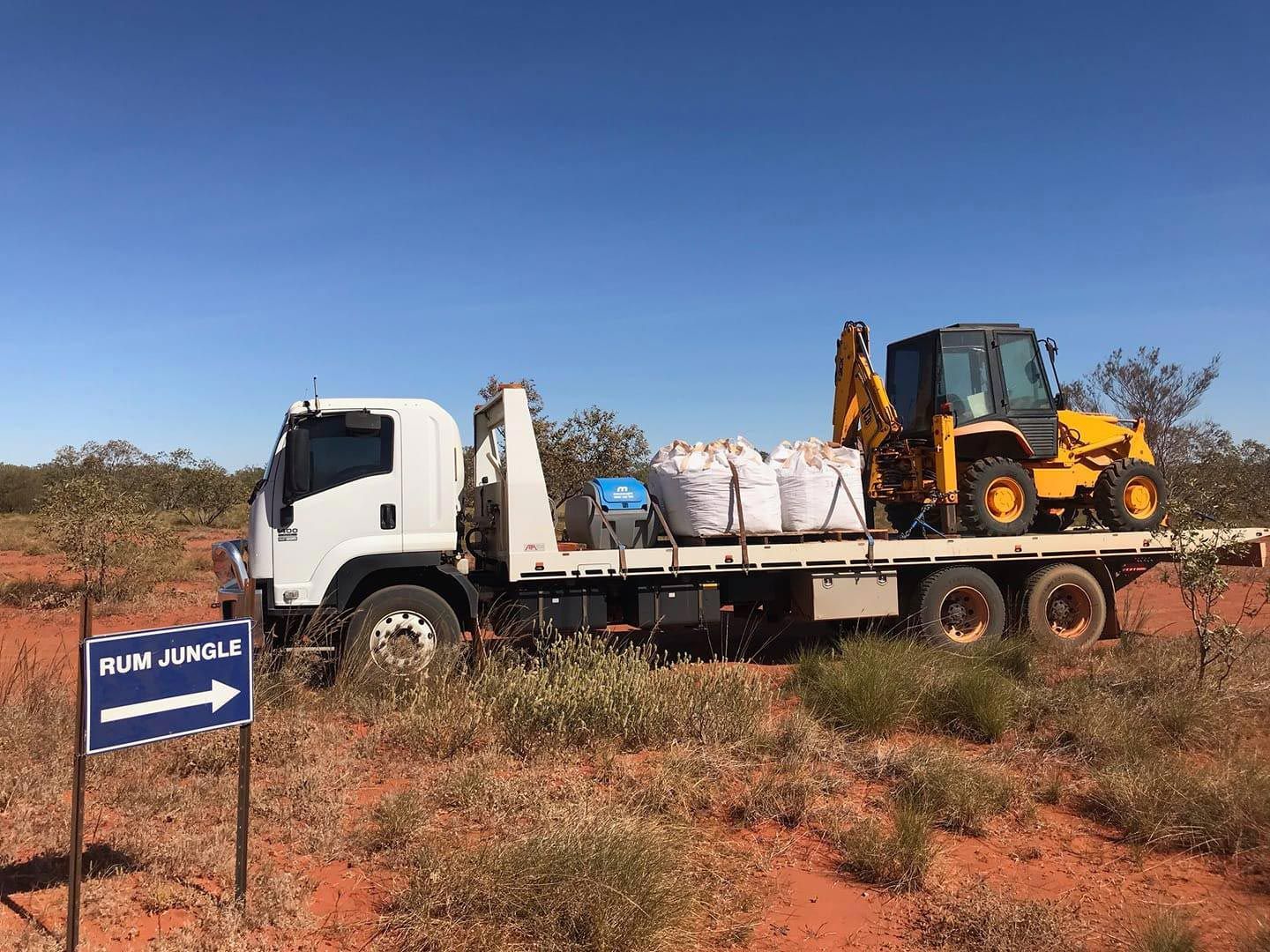
- Small machinery such as skid steers, compactors and ride-on mowers
- Motorbikes and recreational vehicles including ATVs and quad bikes
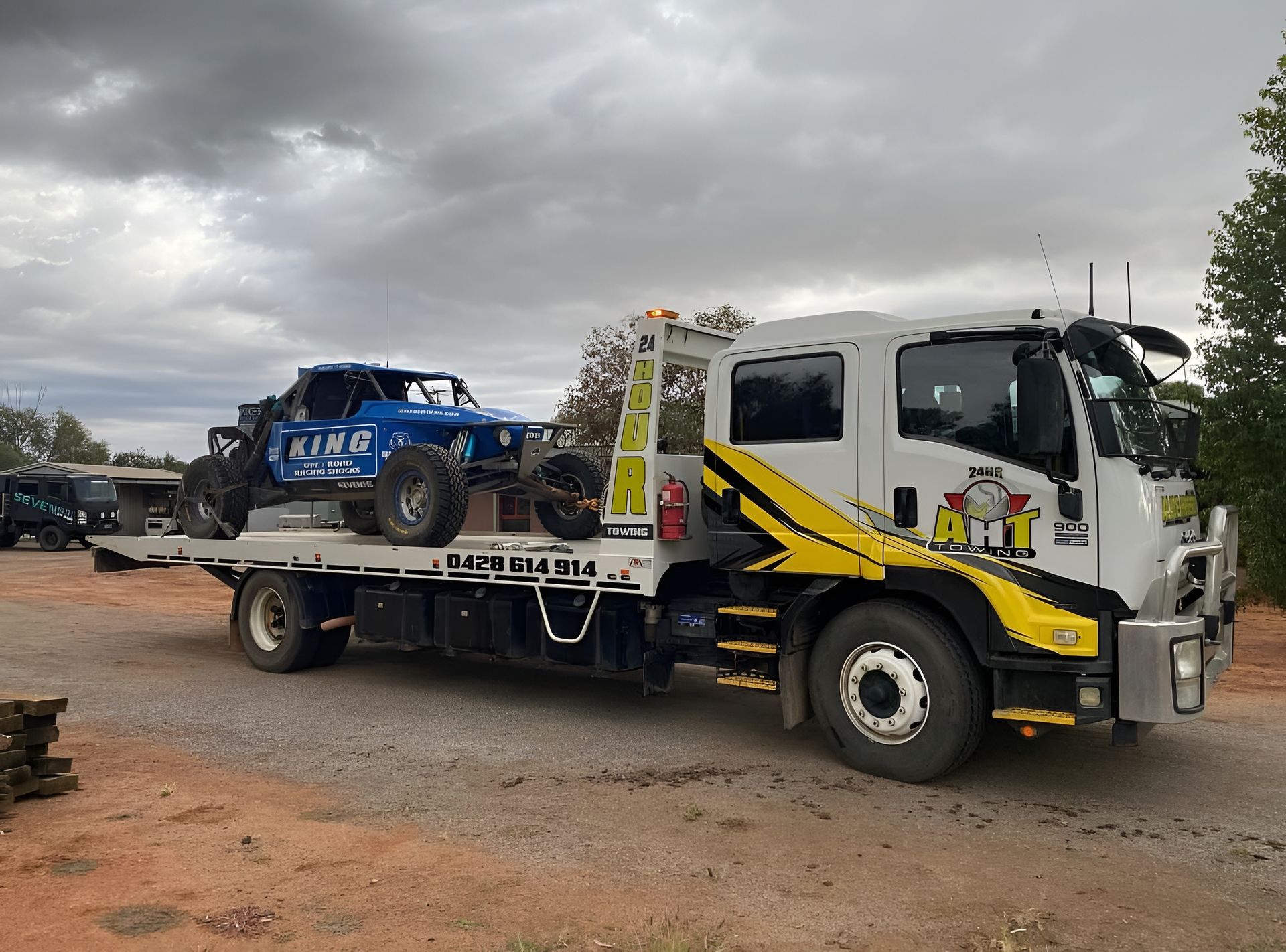
- Performance and prestige vehicles
- being moved without road exposure
- Equipment deliveries to remote or difficult-to-access sites
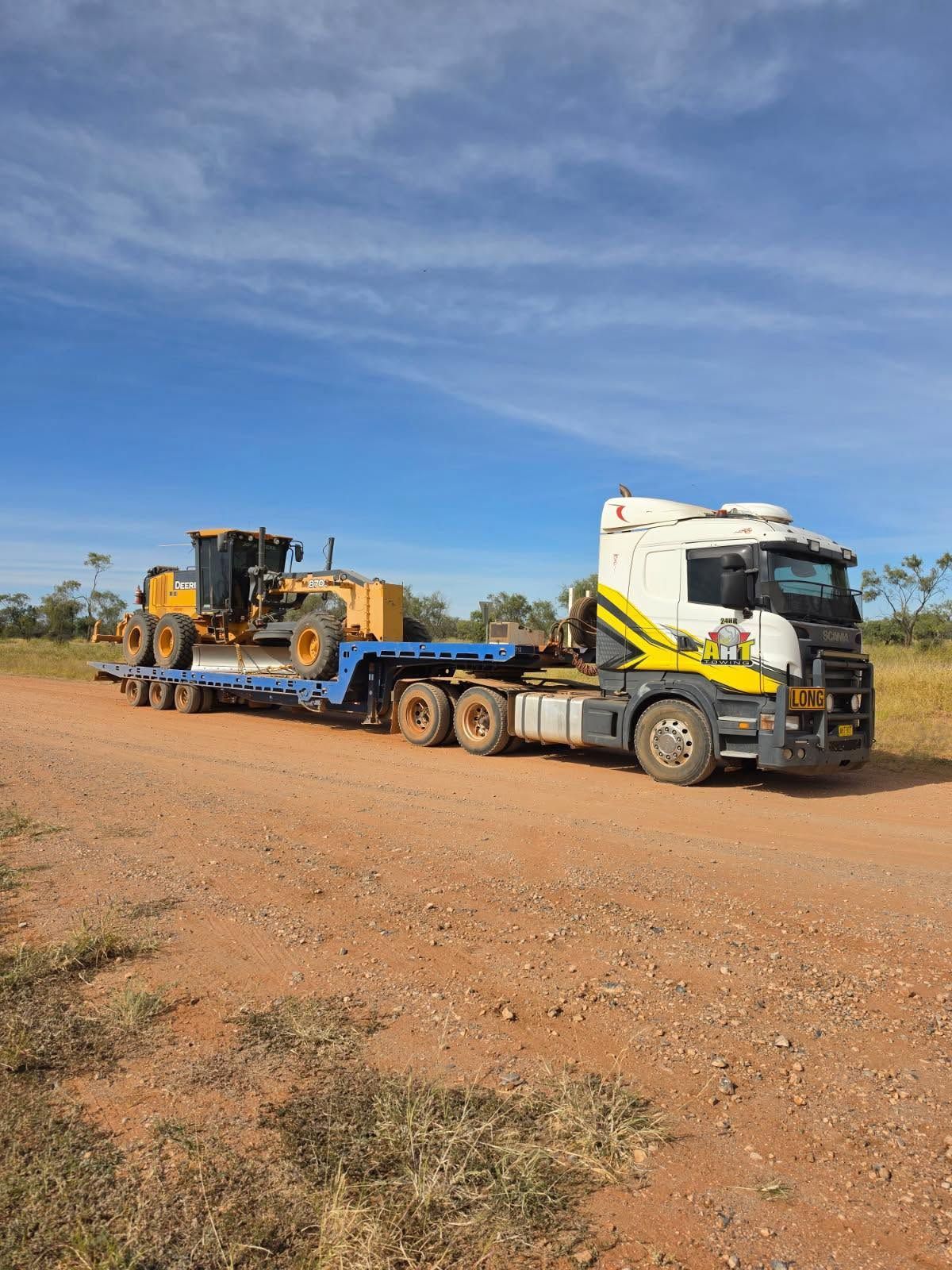
Forklift transport and machinery moves are genuinely common requests, particularly for trade businesses and contractors who need equipment relocated without hiring a dedicated heavy transport rig for a load that doesn't warrant one.
Vehicles That Should Always Use a Tilt Tray
Some vehicles should never go onto a wheel-lift or hook truck. This isn't a matter of preference; it's about protecting the mechanical integrity of the vehicle being moved. The drivetrain configuration and the vehicle's condition both determine the appropriate method.
Vehicles that specifically benefit from tilt tray towing include:
- All-wheel-drive and four-wheel-drive vehicles, including dual-cab utes and SUVs
- Prestige or performance vehicles where undercarriage and body clearance is critical
- Electric and hybrid vehicles where towing protocols differ from standard ICE vehicles
- Vehicles involved in accidents where structural damage affects how they sit
- Classic or modified vehicles with custom bodywork or non-standard ride heights
It's worth being specific when you call. Not all trucks in a fleet are flat-deck, and asking for a tilt tray truck by name when you ring avoids complications on arrival.
Moving Machinery and Forklifts: A Practical Use Case
A common misconception is that moving a forklift or a small piece of plant requires a dedicated machinery transport contractor. For loads within the weight and size limits of a standard flat-deck truck, it's often a simpler and faster job than people expect.
This type of flat-deck transport makes sense when:
- The equipment fits within the truck's weight and dimension limits
- The pickup or delivery point has ground-level access for loading
- The move is local or regional rather than interstate
- The equipment needs to reach a worksite without access to a loading dock
A contractor needing a forklift moved from one yard to another, or a business relocating a compactor to a remote site, can often use the same service they'd call for a vehicle breakdown. It avoids the cost and lead time of a larger solution for a load that doesn't need it.
Why Rough Roads Change the Calculation
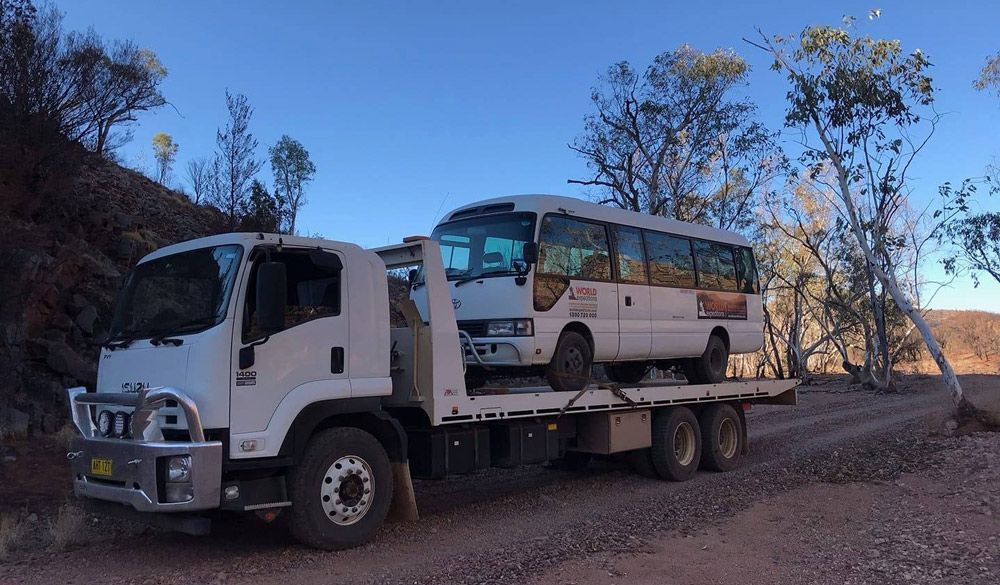
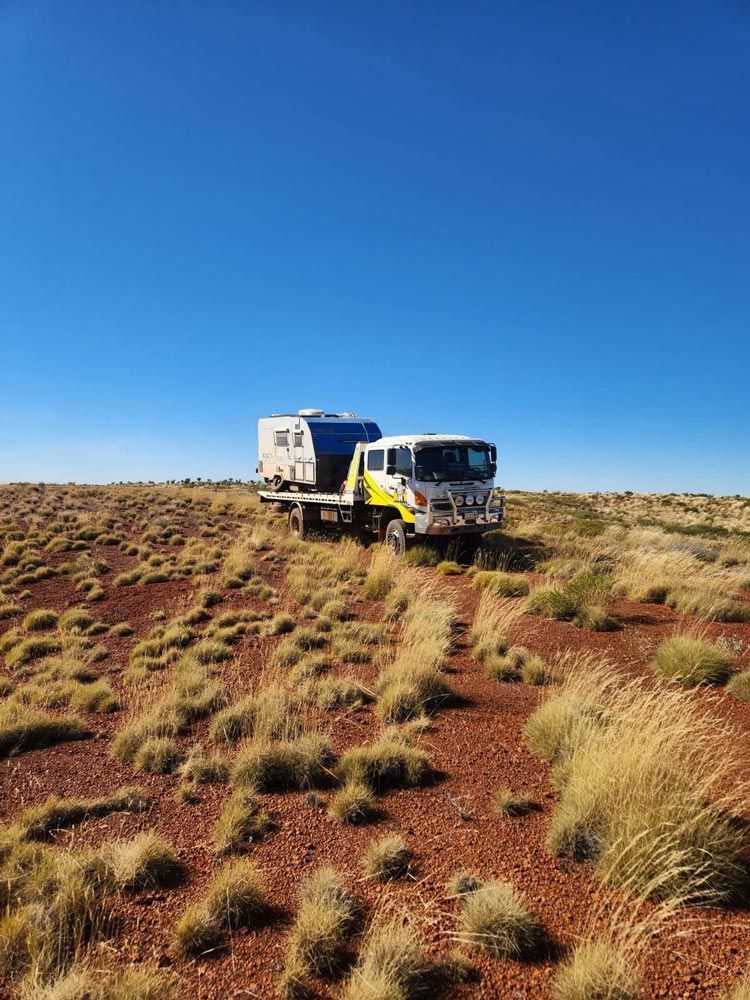
Standard tow methods are built for bitumen. When a breakdown or recovery happens on an unsealed station road, a remote access track or a corrugated outback route, a fully loaded, secured flat deck provides a more stable and controlled transport method than a wheel-lift truck trailing a vehicle behind it.
The features that make this equipment the right choice on rough terrain include:
- No trailing vehicle movement or steering input needed during transport
- Load secured flat to the deck, reducing bounce and shift on uneven surfaces
- Better weight distribution across axles on soft or corrugated roads
- Winch capability means the vehicle doesn't need to move under its own power to load
For remote recoveries where a vehicle has become a complete non-runner well off the highway, tilt tray transport is often the only practical option that avoids further damage between the recovery point and the workshop.
Common Scenarios Where a Tilt Tray Tow Truck Is the Right Call
Knowing when to specifically ask for this type of truck rather than a standard tow comes down to the vehicle, its condition and the nature of the job. There's no single rule, but certain situations almost always point in the same direction.
Ask for a tilt tray tow truck when:
- Your vehicle is an AWD or 4WD and the drivetrain can't be safely disconnected
- The vehicle has been in an accident and steering or braking is compromised
- The vehicle is a complete non-runner with no ability to roll or steer
- You're transporting a motorbike, ATV or non-road vehicle
- You're moving a forklift, small machine or piece of trade equipment
- The pickup point is on a rough, unsealed or remote access road
If you're unsure, describe your situation when you call. A good operator will tell you which truck suits the job rather than send out whatever is closest.
Frequently Asked Questions
Talk to AHT Towing About Your Next Job
We at AHT Towing operate across Alice Springs and Central Australia, which means we understand the conditions here better than most. Whether you're dealing with a breakdown on a remote station road, a 4WD that won't move under its own power, a motorbike that needs safe transport, or a forklift that has to be on a worksite by morning, we have the right equipment and experience to handle it. Our tilt tray tow truck is available around the clock, and our team will always advise you on the right solution before we dispatch. Contact us at any time.