What to Do When Your Car Breaks Down in the Outback
Breaking down in the Australian outback can be frightening, especially when you're far from Alice Springs with limited phone reception. Your priorities are to stop safely, stay with your vehicle, conserve drinking water and arrange assistance when possible. If you need a tow truck in Alice Springs, AHT Towing can help with emergency towing and remote vehicle recovery.
Whether you're visiting Central Australia or travelling familiar regional roads, knowing what to do beforehand can make an unexpected breakdown easier to manage, especially when travelling through unfamiliar desert country.
Why Breaking Down in the Outback Is Different
Outback breakdowns present challenges that motorists rarely encounter in towns. Long distances between services, extreme temperatures and unreliable communication can turn a minor vehicle problem into a serious situation if you're unprepared.
Road conditions also vary considerably. A sealed highway may lead to an unsealed track with corrugations, loose gravel or deep sand. Passing traffic can be infrequent, particularly away from major routes.
Before departing, check your vehicle, confirm road conditions and tell someone your planned route and expected arrival time. Carry extra water, food, appropriate clothing and emergency communication equipment.
What to Do in the First Few Minutes After a Breakdown
Your first priority is personal safety, not diagnosing the vehicle. Take a moment to assess traffic, terrain, weather and any immediate hazards before deciding what to do next.
Stop Somewhere Safe
If the vehicle can move safely, pull into a suitable area away from traffic. Switch on hazard lights and apply the parking brake. Avoid stopping on blind bends, narrow shoulders or unstable ground whenever possible.
If you cannot move the vehicle, consider whether remaining inside or moving to a protected position nearby is safer. Never stand in an active traffic lane to inspect damage.
Stay With Your Vehicle
Unless there's immediate danger, such as fire or floodwater, remain with your vehicle. It provides shelter, holds your supplies and is easier for searchers to locate than someone walking through remote country.
Walking towards a distant settlement may seem practical, but heat, dehydration and unfamiliar terrain make this risky.
Signal for Assistance
Keep your vehicle visible and use hazard lights where appropriate. A brightly coloured item secured to the vehicle may help attract attention. Position warning triangles only when doing so is safe.
If another motorist stops, explain your situation without leaving your safe location unnecessarily. Share your location and ask them to relay a message if you cannot make contact yourself.
Phone and Satellite Coverage on Remote NT Roads
Mobile coverage is inconsistent across remote Northern Territory routes. Even frequently travelled roads can have black spots, so don't rely on your everyday phone as your only communication option.
Download offline maps before departure and keep your phone charged. For isolated trips, consider a satellite phone or personal locator beacon, and learn how to use it before travelling. A beacon is for serious emergencies, not routine towing requests.
When you have reception, provide the towing operator with your GPS coordinates, road name, direction of travel and nearby landmarks. Explain whether you're on sealed road, gravel or sand, and describe the vehicle's condition.
If you're searching for a 24-hour tow truck in Alice Springs, remember that remote recovery times depend on distance, road access and conditions. Clear information helps operators assess what equipment may be needed.
If someone is seriously injured or in immediate danger, call 000 when a connection is available. Emergency assistance takes priority over vehicle transport.
The Risks of Breaking Down in Extreme Outback Heat
Central Australian heat can become dangerous quickly, especially when a vehicle's air conditioning stops working. A parked car can become extremely hot, and physical exertion increases the risk of dehydration and heat-related illness.
Manage Water Carefully
Carry extra drinking water before every remote journey. If stranded, drink regularly and avoid unnecessary activity rather than restricting water so severely that you become dehydrated.
Avoid attempting long walks or strenuous repairs during hot conditions simply to save time.
Find Safer Shade
A vehicle offers visibility and some shelter, but its interior may become dangerously hot. If necessary, sit in the shade immediately beside it, away from traffic and other hazards. Stay close enough to be found easily.
Never leave children or animals unattended inside a hot vehicle. If conditions deteriorate, prioritise cooling and personal safety over protecting belongings.
Watch for Heat Illness
Dizziness, headache, nausea, weakness and confusion can indicate heat-related illness. Move the affected person somewhere cooler, reduce unnecessary clothing and use water or airflow to help cool them.
Confusion, collapse or suspected heatstroke requires urgent medical assistance. Seek emergency help immediately where communication is possible.
When to Call a Tow Truck and When to Wait for Help
Arrange towing when your vehicle cannot continue safely or when attempting further travel could worsen the situation. If you're uncertain whether a mechanical problem makes driving unsafe, avoid taking chances on an isolated route.
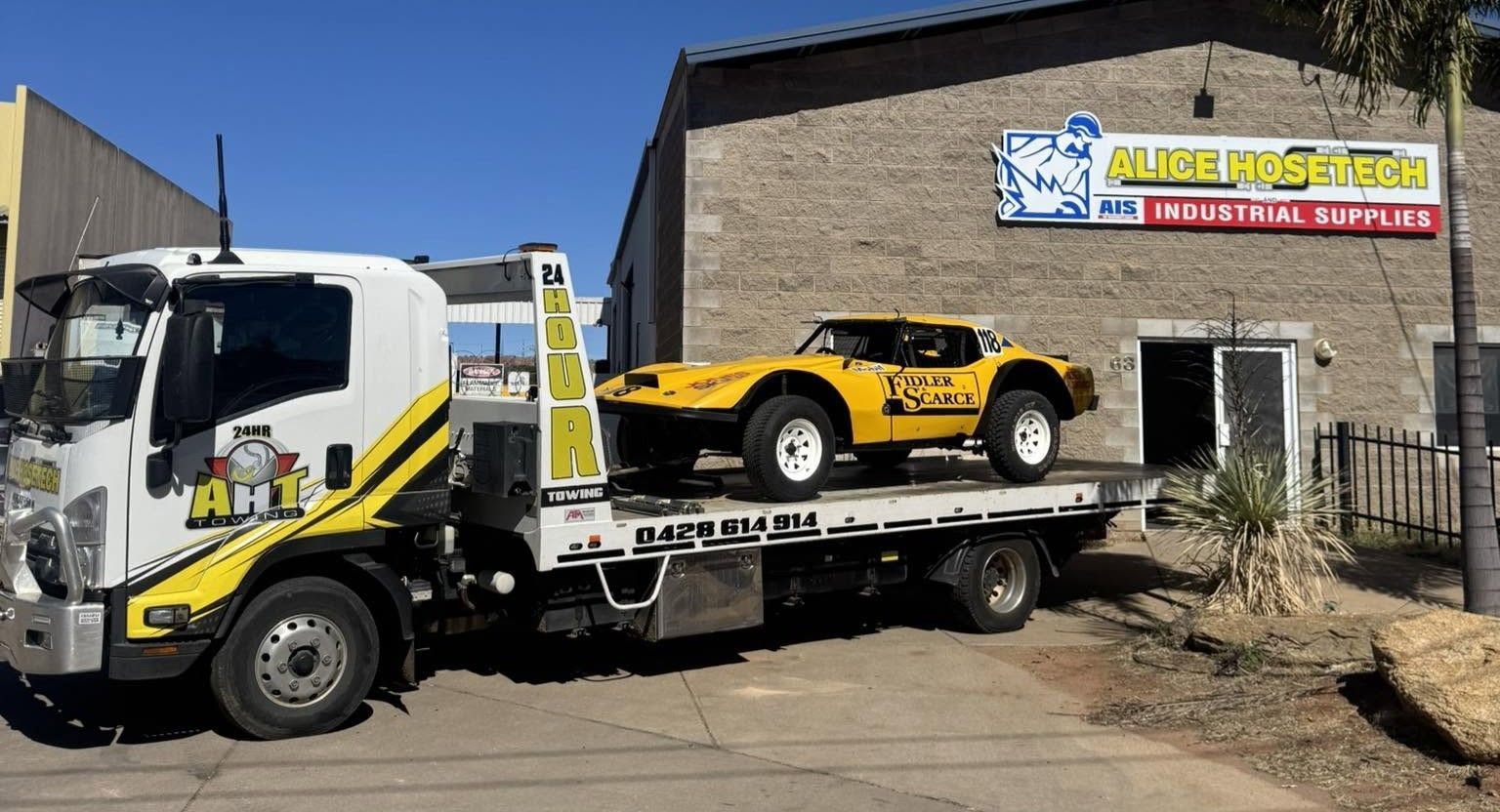
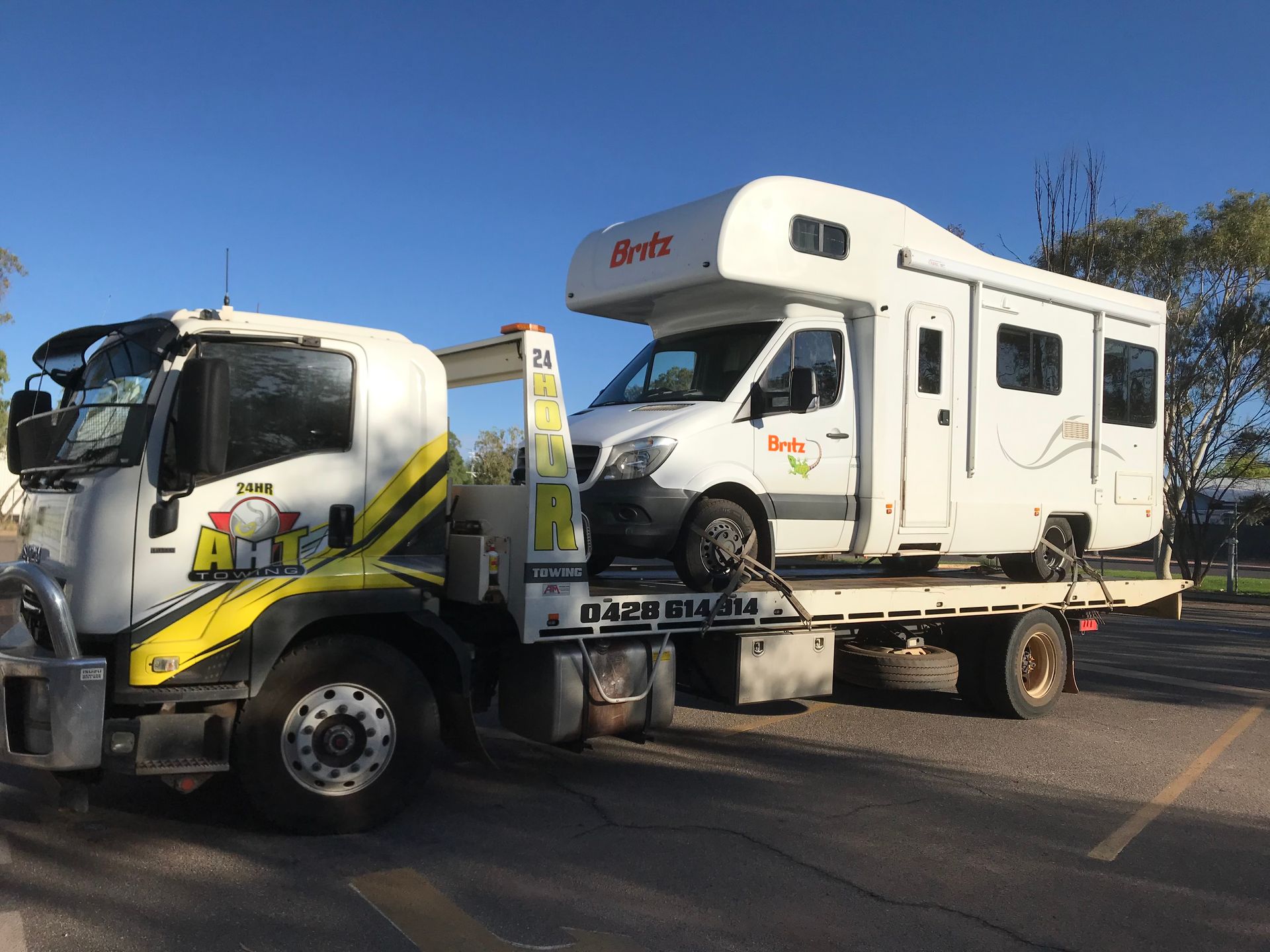
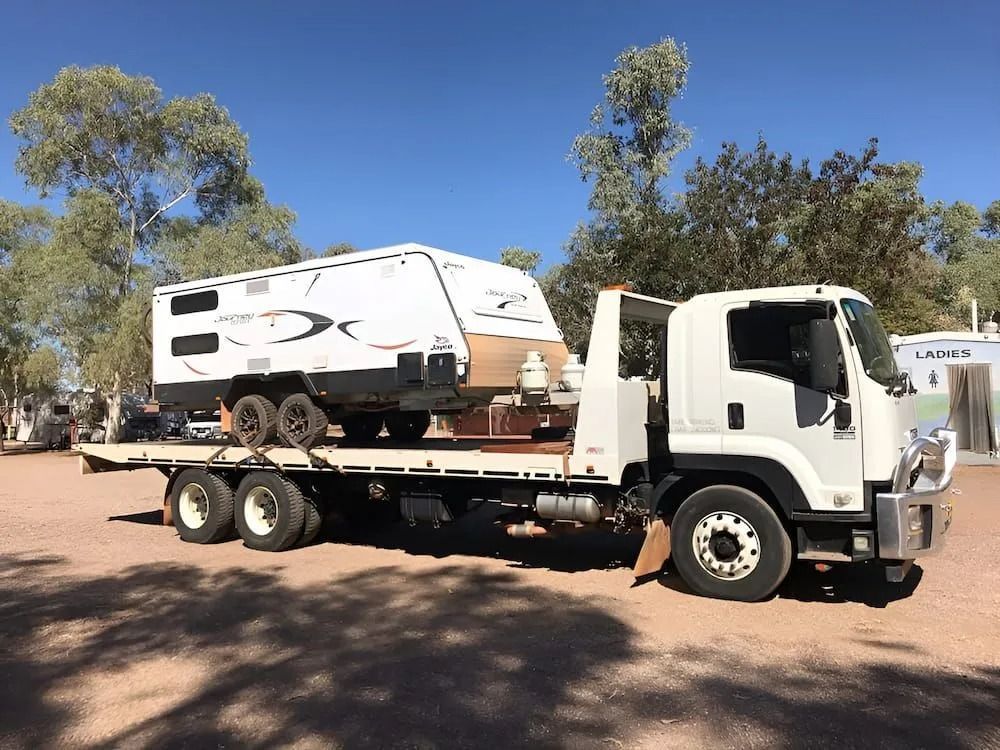
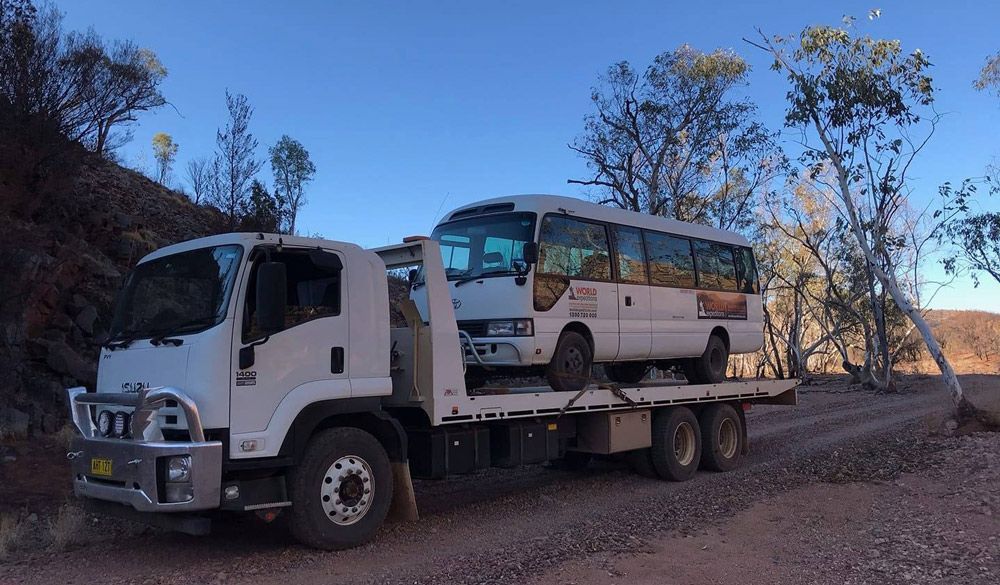
For motorists needing car towing in Alice Springs, AHT Towing offers vehicle transport services that can help move an immobilised car to an appropriate destination.
Imagine your engine stops on a remote gravel road and will not restart. Rather than attempting unfamiliar repairs in the heat, secure the vehicle, communicate your location and organise recovery when possible.
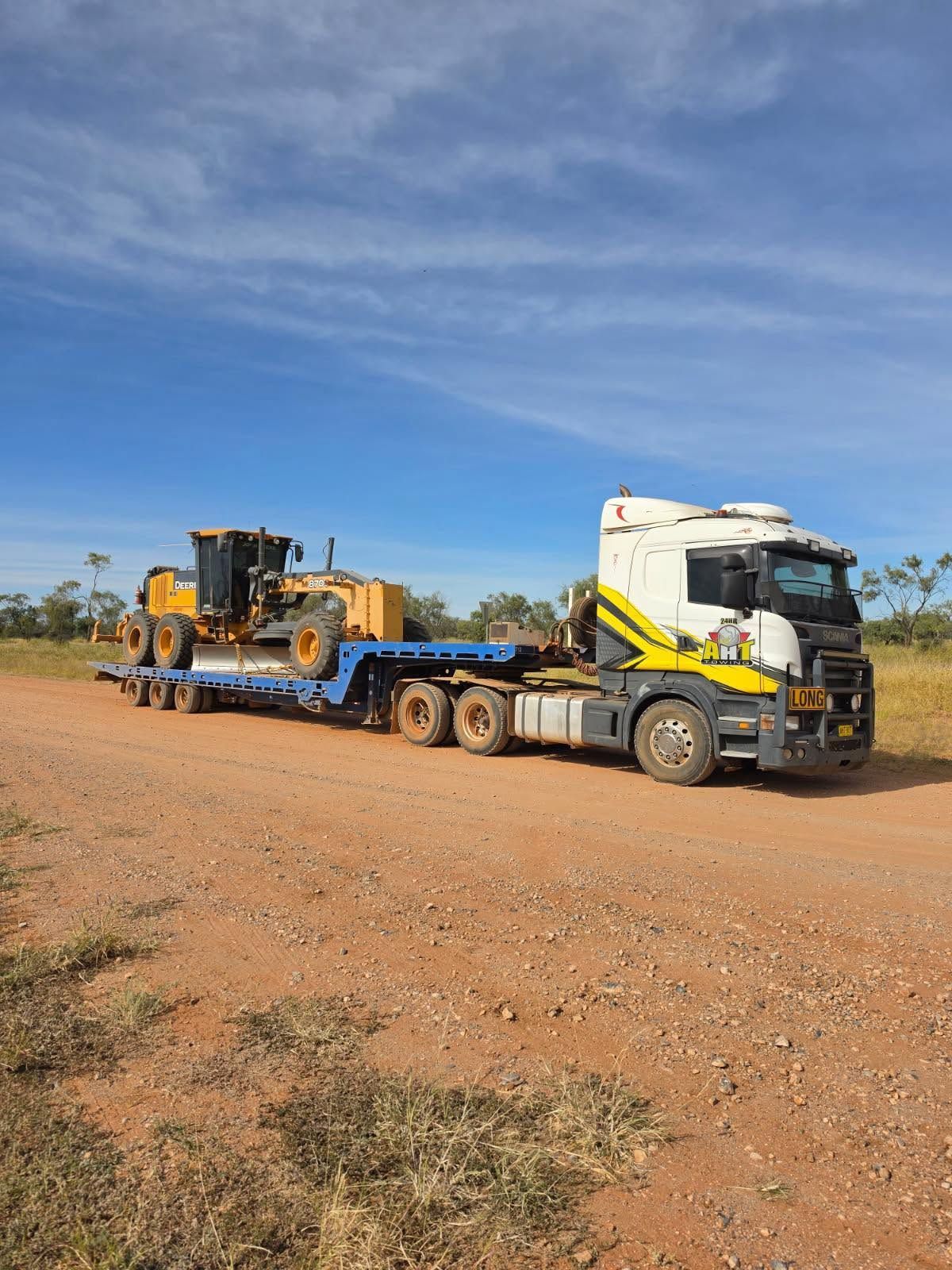
A 4x4 stuck in soft sand may need specialised desert recovery rather than ordinary roadside assistance. Avoid improvised pulling or winching without suitable equipment and experience, as recovery attempts can injure people or damage vehicles.
If you've already arranged assistance, wait in a safe position near your vehicle and follow the operator's instructions. Without reception, conserve supplies and remain visible rather than walking away to search for a signal.
Our
towing Alice Springs services can assist when professional vehicle transport is required. In a life-threatening emergency, contact emergency services instead of waiting for a tow truck.
Know Your Route: Stuart Highway, Tanami Track and Plenty Highway
Understanding your route helps you prepare for changing surfaces, limited facilities and potential access restrictions. Always check current conditions before leaving, particularly after rain.
Stuart Highway
The Stuart Highway is a major north-south route, but long distances still separate populated areas. Keep fuel, water and emergency supplies in mind. For route-specific advice, read our guide to
breaking down on the Stuart Highway.
Tanami Track
The Tanami Track crosses remote country with extensive unsealed sections. Corrugations, loose surfaces and limited facilities make preparation essential. Confirm access conditions and ensure your vehicle and supplies suit the journey.
Plenty Highway
The Plenty Highway includes remote stretches and unsealed sections where conditions can change after wet weather. Check current road conditions before travelling and plan for limited reception and services. Road closures may also affect whether a recovery vehicle can reach you safely.
Why Choose AHT Towing for a Tow Truck in Alice Springs?
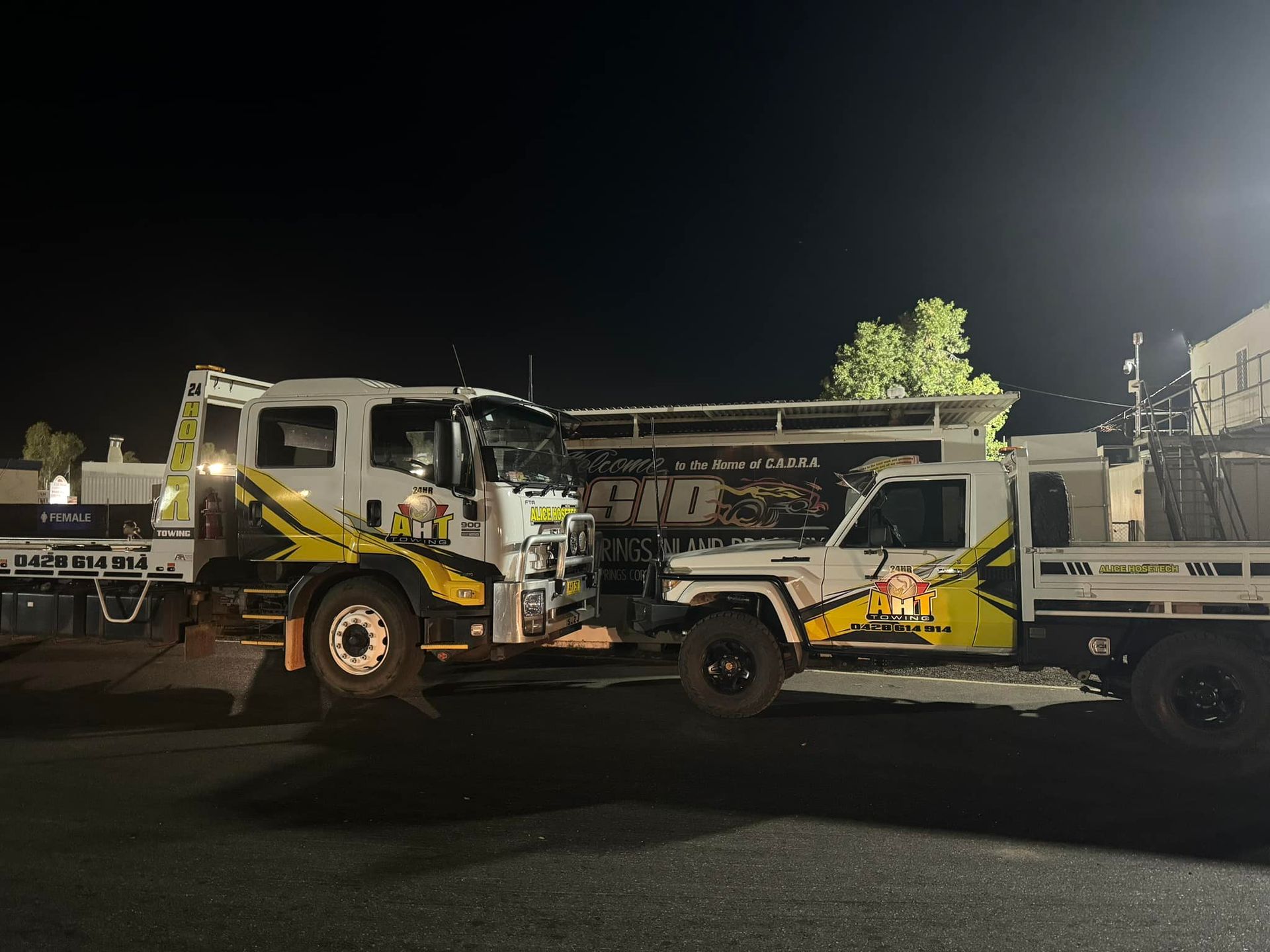
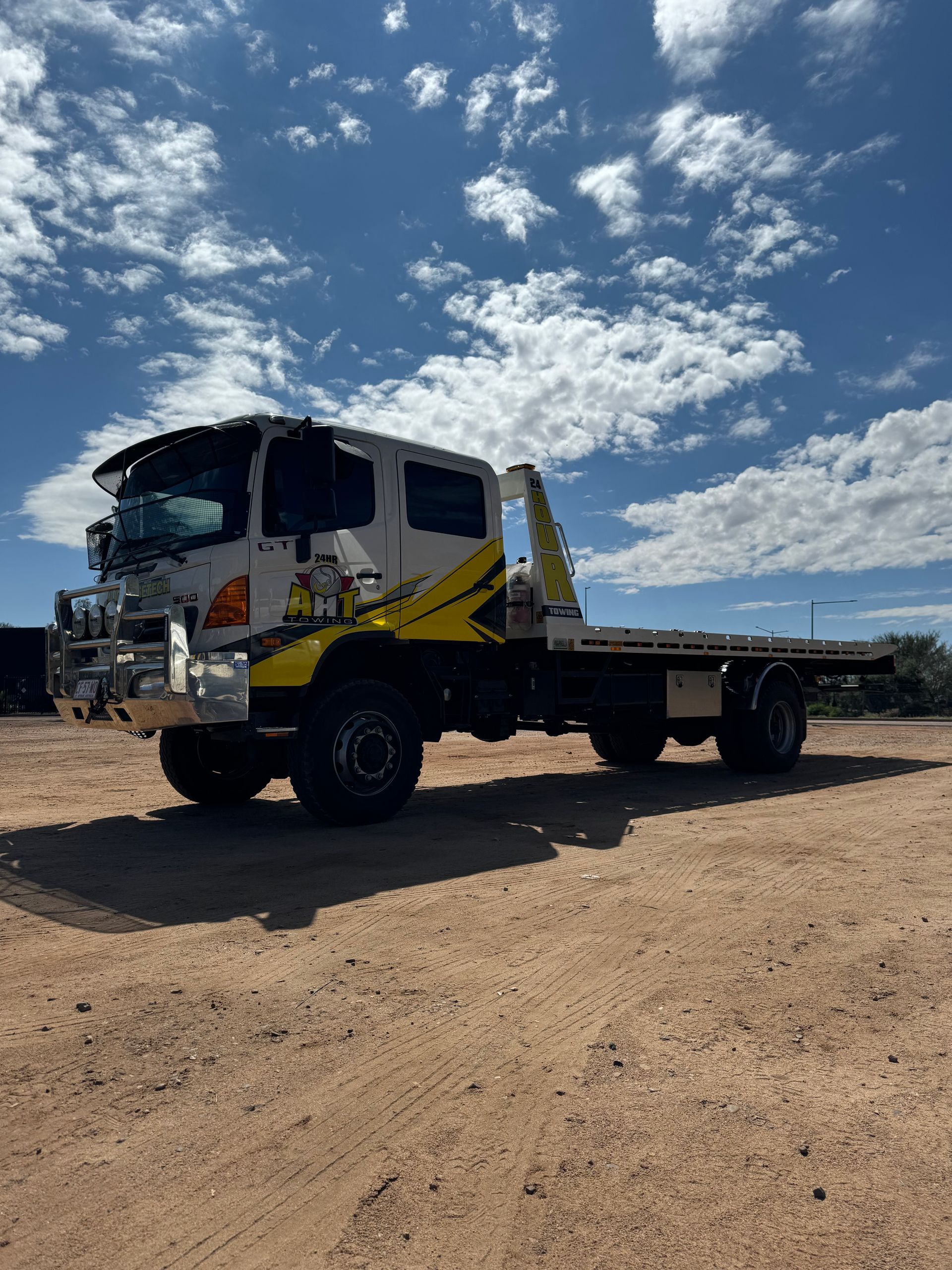
When you're stranded away from town, you need clear communication and a recovery approach suited to the location. At AHT Towing, we provide emergency towing, vehicle transport and 4x4 desert recovery for motorists in Alice Springs and surrounding areas.
Emergency Towing Around the Clock
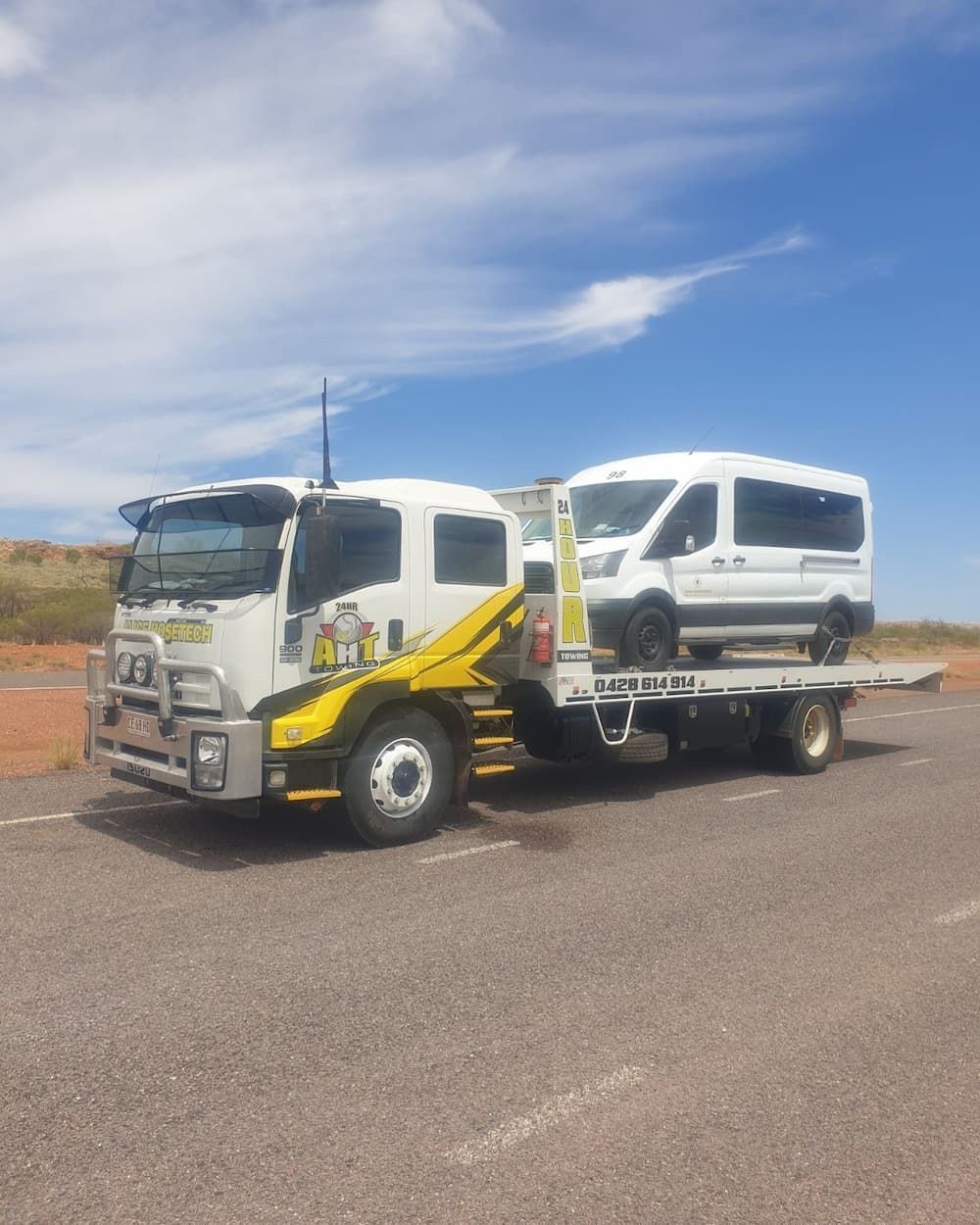
Breakdowns don't follow business hours. Our 24/7 emergency towing service gives drivers an option when their vehicle becomes immobilised at night, early in the morning or during a remote journey. Availability does not eliminate the challenges of distance, weather or road access, so share accurate details when contacting us.
Our
breakdown towing service helps drivers arrange suitable recovery when continuing their journey is no longer safe.
Prepare Before You Travel
The safest response begins before a breakdown happens. Check your vehicle, carry water and communication equipment, tell someone your itinerary and stay with your vehicle if stranded. Keep emergency services for genuine emergencies and use professional towing when your vehicle cannot be driven safely.
If you need assistance, contact
AHT Towing through our
contact page to discuss your location, vehicle and recovery needs.
Frequently Asked Questions